
SIVAKRISHNAN V
Updated on 30-07-2026
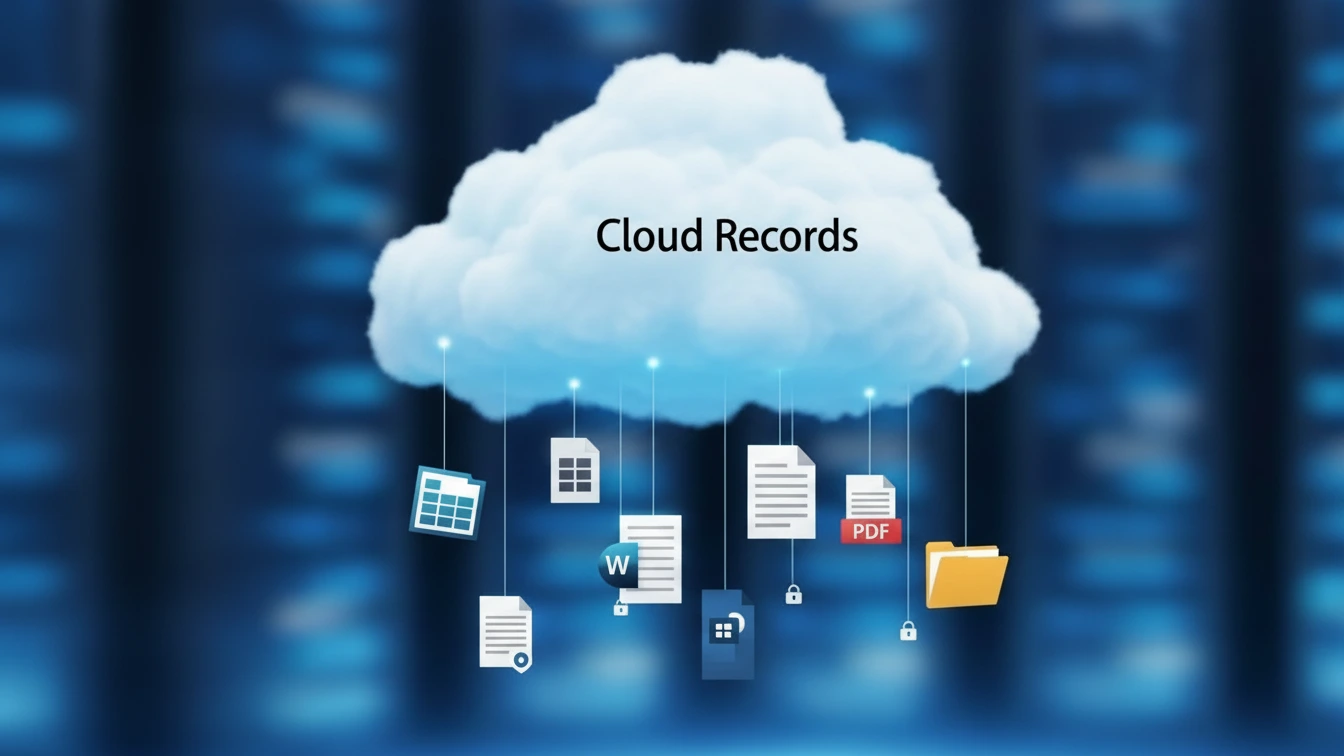
As there have been many businesses in the world today and those businesses are continuing to expand and grow, the need for effective Document Management is more important than ever before. Proper Document Management can help a business manage its business, track its Personal Records, manage its employees and ensure that the business is compliant with applicable laws (Compliance Documents like KYB / KYC). Document Management Strategies that are designed properly can enable organizations to manage their business effectively. Technology has advanced through the use of Cloud S3 Storage allowing for better management and storage options for an organization’s documents, with greater assurance of security, efficiency and/or ease of use than at any other time in history.
What is meant by business documentation? Business documentation refers to all documents necessary to run the business, including: Financial Documentation Contracts & Agreements Service Documentation Employee Documentation These documents provide transparency into the operation of the business and are necessary to comply with both legal and government regulations. What is meant by personal documentation? Personal documents are the records that relate to someone's identity and/or personal affairs. Examples of personal documentation include: ID Documents (Passport, Driver's License, etc) Personal Financial Documents Health Records Personal Documentation is essential to various personal transactions and to verify a person's identity.
Understanding Your Business (KYB) KYB is a legal process to assure an organization is legitimate. This includes evidence: - Verification of registration - Review of financials - Compliance to anti-money laundering laws Understanding Your Customers (KYC) KYC processes are required to verify customer identity in order to protect against fraud. They include: - Capturing identification and proof of address. - Risk assessments - Continued monitoring of customer activity Both KYB and KYC are critical components in creating trust and credible business relationships between companies. The importance of employee documentation Documentation on employees are important for legal compliance and organizational structure. Some critical documentation is: - Individual NDA (Non-Disclosure Agreement) - Employee Agreements - Performance evaluations Employee NDAs protect the proprietary business information from disclosure, while employee agreements define what the employee’s responsibilities will be with respect to their employment. Using Amazon’s S3 Cloud for document storage The technology of the cloud has greatly improved how documents are stored and managed. The Amazon S3 Cloud is a very strong document management and storage solution. Benefits of using S3 Cloud - Elasticity: Easily increase storage to meet the organization’s demand for document storage. - Security: High-level encryption keeps your data secure while stored and while it transmits over the network. - Convenience: Your documents are accessible 24/7 from any location, which makes it easy for remote workers. - Cost Effective
For effective management of documents, adopt these approaches: FormulatePolicies: Policies that define how documents should be created, handled and disposed of should be established. Automated Workflows:Tools for automating workflows will minimize time spent performing manual processes and reduce errors. Compliance:Systems and processes must be reviewed and updated frequently to ensure compliance with current regulations. Perform Audits:Audits will help determine if document management practices meet objectives.
The successful operation of any business is highly dependent upon how well they manage their Business, Personal & Employee documents. Having state-of-the-art technologies such as Cloud based S3 Storage can optimize the Document Management process and will provide the means to secure and maintain compliant documents. Establishing well-defined policies, using automated workflows and keeping up-to-date with current regulatory changes are ways in which organizations can create effective Documentation Systems that build trust, transparency and operational excellence. Therefore, by following these practices, businesses can improve the efficiency of their Document Management Systems ensuring that critical information remains intact and readily available to drive business success in a more competitive environment.
