




Jyothishwar M
Updated on
30-07-2026
Understanding the Employee Self-Service (ESS) Portal
An Employee Self-Service (ESS) Portal is revolutionizing the way businesses manage human resources. This digital platform empowers employees by providing them with direct access to essential HR functions such as payroll, benefits, and personal information management. By decentralizing these tasks, companies improve efficiency and allow HR professionals to focus on more strategic initiatives. This article explores the key features, benefits, and developments associated with the ESS Portal. Whether you're an HR manager or a business owner, understanding the functionality of ESS can help optimize your workforce management strategy.
What is an Employee Self-Service (ESS) Portal?
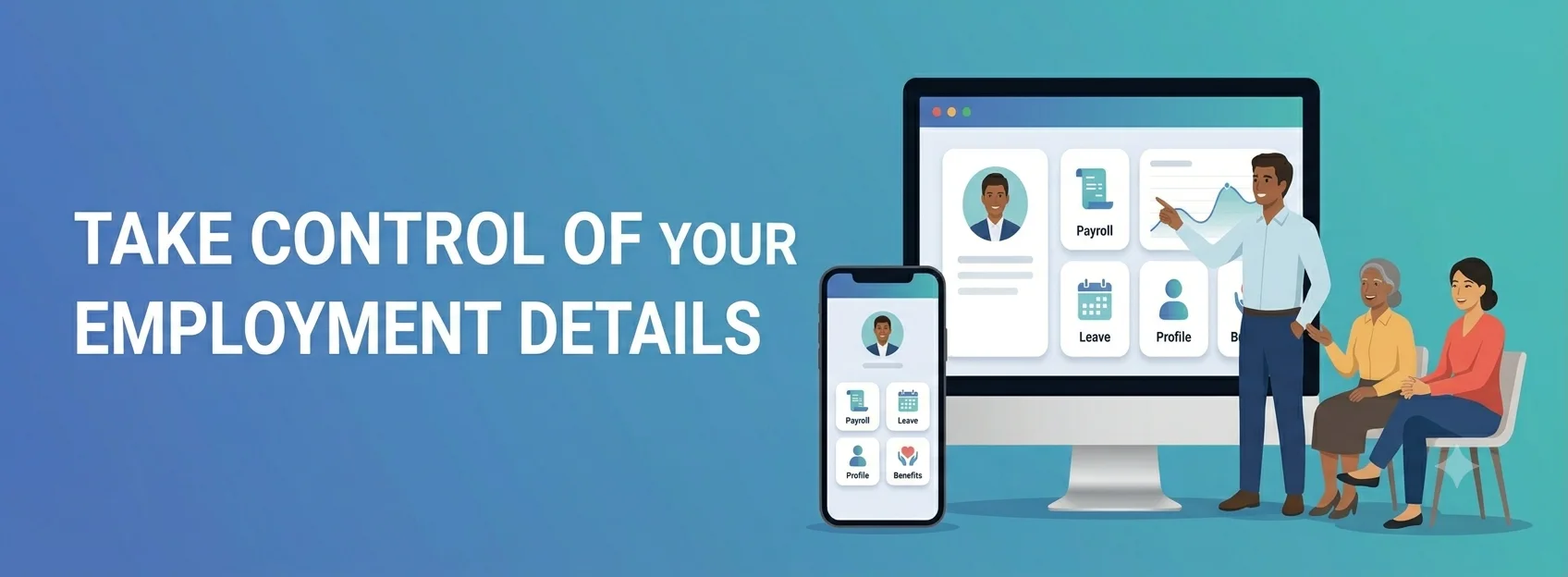
An Employee Self-Service Portal is an online system that enables employees to perform a variety of HR-related tasks without needing direct assistance from HR personnel. These portals generally include functionalities such as:
- Viewing and updating personal information
- Accessing pay stubs and tax forms
- Requesting time off and tracking leave balances
- Enrolling in or altering benefits
- Reviewing performance evaluations
The ESS Portal serves as a bridge between employees and HR departments, promoting transparency and fostering a sense of independence among the workforce.
The Benefits of a Self-Service Portal
Implementing an Employee Self-Service Portal offers numerous advantages, both for the organization and its employees. Key benefits include:
1. Enhanced Efficiency
By automating routine HR processes, ESS Portals significantly reduce the time required for manual data entry and paperwork. Employees can independently access and update their information, ensuring accuracy and timeliness.
2. Cost Savings
Reducing HR’s administrative workload translates to significant cost savings. Organizations can redirect these resources towards strategic growth initiatives and reduce the need for a larger HR team.
3. Improved Employee Engagement
Employees who have the autonomy to manage their personal information are generally more satisfied and engaged. ESS Portals empower them, offering convenient access to information and management tools directly linked to their career and benefits.
4. Data Accuracy
With employees managing their own information, errors in personal or payroll data are minimized. This self-verification process helps maintain a more accurate and reliable database.
5. Streamlined Communication
ESS Portals serve as a centralized hub for important announcements and updates. This ensures that all employees are on the same page, reducing miscommunication and enhancing the flow of information within the organization.
Essential Features to Consider
When selecting an ESS Portal, certain features can make a significant difference in effectiveness and user satisfaction:
- User-Friendly Interface: An intuitive design ensures employees can navigate the portal with ease.
- Mobile Compatibility: A responsive design that allows access via smartphones and tablets increases accessibility.
- Robust Security Measures: Protecting sensitive information with advanced security protocols is essential.
- Customizable Options: Allowing for the customization of the portal’s appearance and functions can better align with company branding and functional requirements.
- Integration Capacity: The ability to integrate with existing HR and ERP systems is crucial for streamlined operations.
Latest Developments in Employee Self-Service
The realm of employee self-service is continuously evolving with technological advancements. Recent trends include:
1. Artificial Intelligence
AI is enhancing ESS Portals by providing personalized recommendations and support for employees. Intelligent chatbots can handle common inquiries, freeing up HR personnel for more complex tasks.
2. Cloud-Based Solutions
Cloud technology is becoming increasingly popular as it offers scalability, flexibility, and remote access, enabling employees and HR professionals to access the portal anytime, anywhere.
3. Advanced Analytics
Integrating analytics tools provides insights into employee engagement levels, system usage patterns, and areas for process improvement, helping organizations make data-driven decisions.
Implementing an ESS Portal: Best Practices
To successfully implement an Employee Self-Service Portal, consider the following best practices:
- Needs Assessment: Evaluate your organization's specific requirements and choose a portal that aligns with these needs.
- Employee Training: Invest in thorough training to ensure all users understand how to utilize the system effectively.
- Feedback Mechanism: Set up a system for employees to provide feedback and suggestions for improvement.
- Regular Updates: Keep the portal up-to-date with the latest features and security patches to maintain its effectiveness.
Conclusion
An Employee Self-Service Portal is a transformative tool that reshapes HR operations, enhances employee satisfaction, and contributes to the overall success of an organization. By providing direct access to vital HR functions, empowering employees, and reducing administrative tasks, companies can focus on strategic growth. As technology advances, staying updated with the latest developments in ESS solutions will ensure your organization remains competitive and efficient. Implementing a robust ESS Portal requires careful consideration and planning, but the pay-off in terms of efficiency, engagement, and cost savings is well worth the effort.