
Jyothishwar M
Updated on 30-07-2026
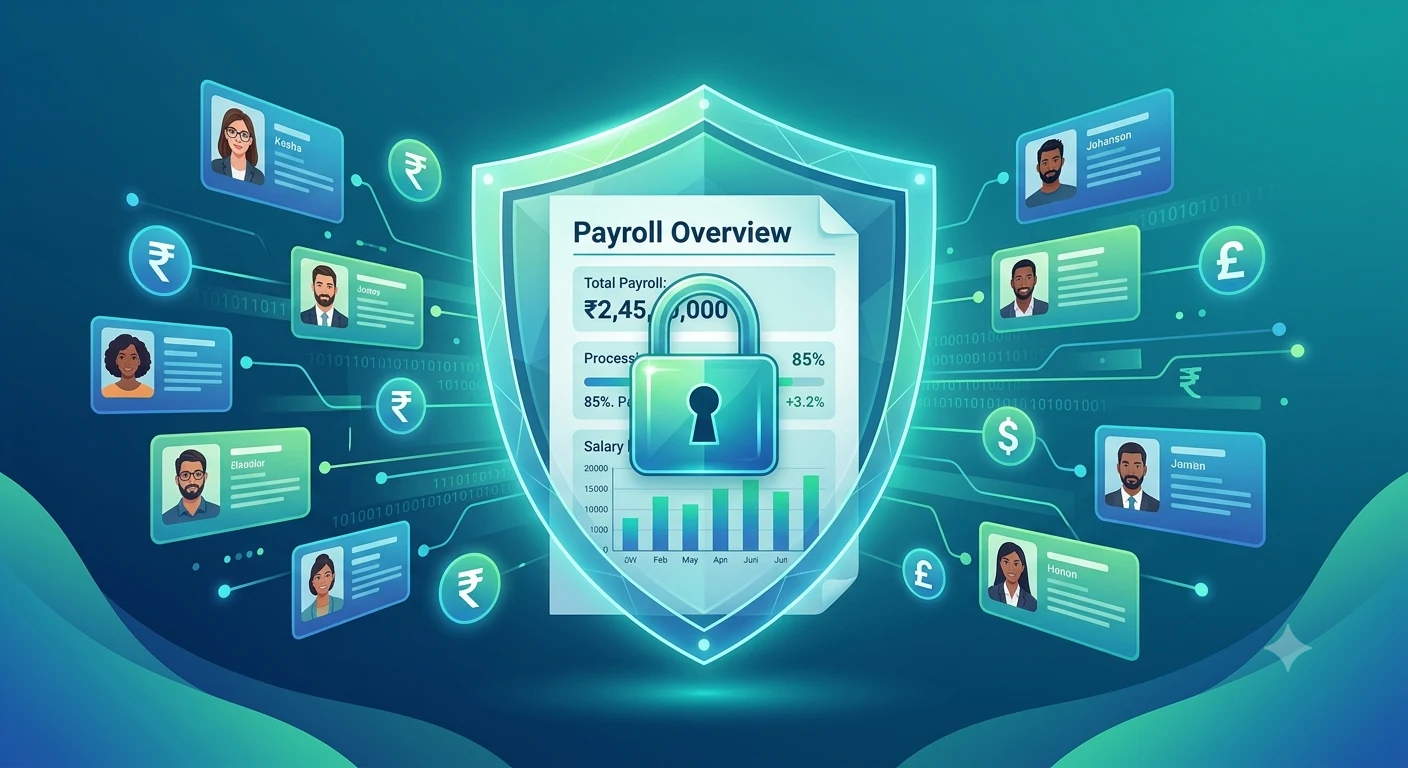
The concept of Centralized Payroll Data Management is transforming how businesses operate and manage employee compensation. This practice integrates data across various departments, offering a unified view that enhances operational efficiency and accuracy. In today's fast-paced business environment, managing payroll effectively is paramount for ensuring employee satisfaction and compliance with statutory requirements.
Adopting a Centralized Payroll Data Management system can dramatically improve the handling of payroll processes. Here's why it matters:
These benefits make Centralized Payroll Data Management an attractive choice for both small businesses and large enterprises.
To implement a successful system, businesses should follow these key steps:
Before selecting a centralized payroll system, conduct a comprehensive analysis to understand the specific requirements of your organization. This includes evaluating current payroll processes, understanding employee needs, and identifying integration points with existing systems.
Consider exploring solutions like Ledgers' mobile payroll app for convenience and accessibility.
Choose a platform that offers flexibility and scalability to support your company's growth. Platforms that include features like integrated HRMS solutions can also add significant value.
Integrating systems with dynamic quoting solutions ensures departments are aligned, promoting seamless workflow.
Ensure that the centralized system integrates smoothly with current IT infrastructure. Many systems offer integration capabilities with modules such as practice management software to manage compliance seamlessly.
Consulting with providers of expense management solutions can also enhance the integration process.
Transitioning to a centralized system comes with its own set of challenges:
Transferring existing data to a new system can be daunting, requiring careful planning and execution. Avoid data loss by collaborating with cloud document management services that offer secure and efficient migration solutions.
Getting employees to adopt a new system can be challenging. Encourage engagement through performance insights that highlight user-friendly features and benefits of the shift.
Centralized Payroll Data Management refers to the practice of consolidating payroll processing and data management into a single system, allowing for streamlined operations and greater accuracy.
Central systems enhance data security by implementing robust encryption and access control mechanisms, reducing the risk of data breaches.
Absolutely. Centralized systems simplify payroll processes, allowing small businesses to handle payroll tasks with greater efficiency and accuracy.
Real-time data provides immediate insights into payroll processes, enabling timely decision-making and strategic planning.
By providing accurate and updated records, centralized systems facilitate easier compliance with regulatory requirements, reducing the chance of penalties.
Centralized Payroll Data Management offers organizations significant advantages, from enhanced efficiency to better compliance and data security. By implementing an integrated approach, businesses can streamline operations and focus on strategic growth. Adopting innovative solutions like user-friendly payroll modules can transform how businesses handle payroll setups, ensuring they stay ahead in a competitive marketplace.
