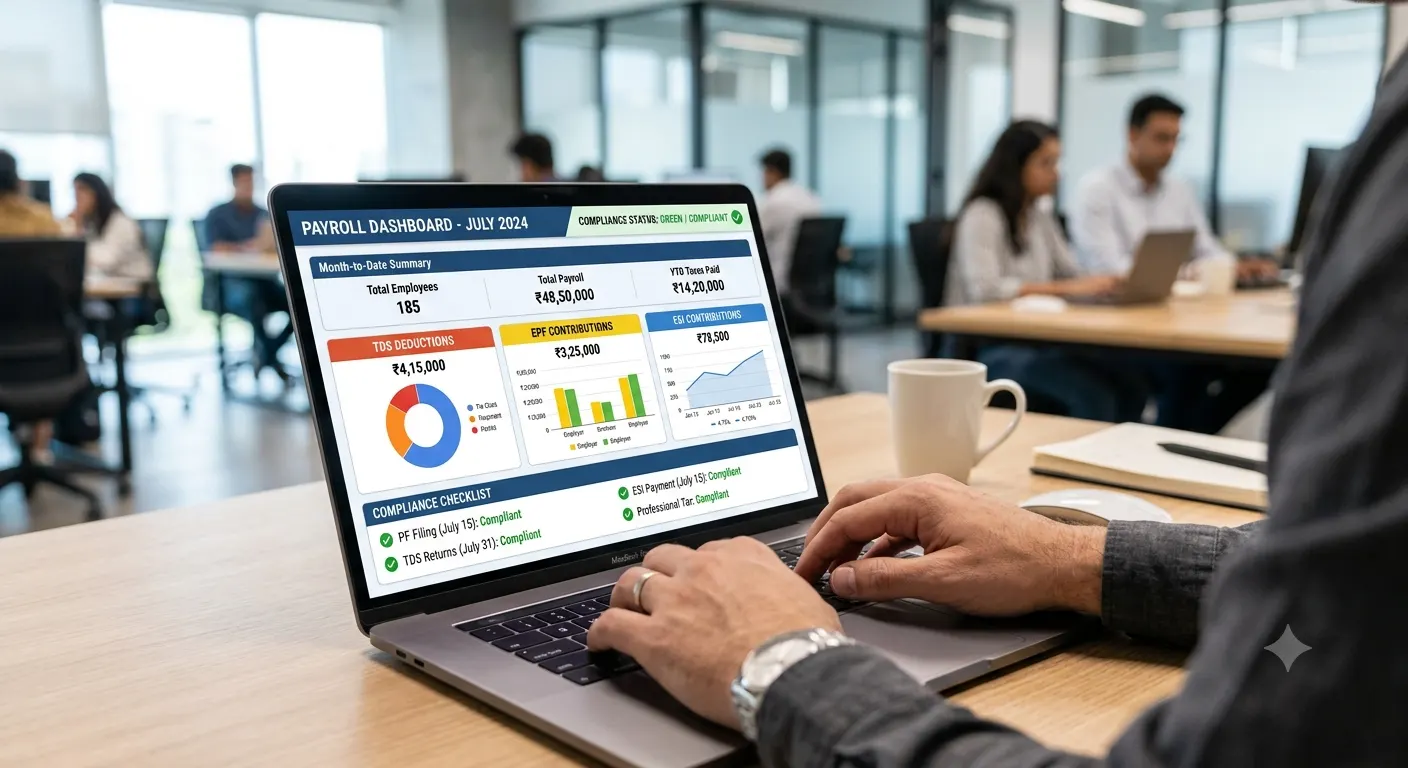
Mastering Compliance Checks Verifying TDS, PF, ESI Calculations
Ensuring accuracy in your business's financial compliance checks, especially when verifying TDS, PF, and ESI calculations, is crucial for legal and operational efficiency. Failing to comply with these statutory requirements can lead to substantial penalties and complications. This guide will help you understand the importance of compliance checks and how to implement them effectively in your organization.
Understanding the Importance of Compliance Checks
Compliance checks for TDS (Tax Deducted at Source), PF (Provident Fund), and ESI (Employee State Insurance) calculations are integral to any business's payroll and financial management. The government mandates these deductions, aiming to manage social security and tax revenue.
Benefits of Accurate Compliance Checks
Executing precise compliance checks provides multiple benefits:
- Prevents penalties for non-compliance.
- Ensures employee benefits are correctly managed.
- Enhances trust between the company and its employees.
- Streamlines financial management.
Implementing Compliance Checks in Your Organization
To effectively conduct compliance checks, businesses must integrate systematic processes and technology-driven solutions. The steps below outline a comprehensive approach:
Step-by-Step Guide to Compliance Checks
- Understand Regulatory Requirements: Regularly update your knowledge on current regulations for TDS, PF, and ESI. This will guide accurate calculations and timely compliance.
- Automate Processes: Utilize software solutions designed for payroll automation. These tools minimize human errors and ensure precise computation of deductions. Consider utilizing automated payroll finance tools for efficient handling.
- Regular Audits: Conduct regular audits to verify the accuracy of deductions and compliance processes.
- Internal Policy Alignment: Align organizational policies with statutory requirements. It is essential to have an updated process as part of your financial management system.
Technology in Compliance
Technology simplifies compliance by integrating automated solutions. For instance, Ledgers Pro Subscriptions provide businesses with innovative tools for compliance management, reducing the burden of manual processes.
Choosing the Right Tools
When selecting compliance tools, consider features like real-time updates, user-friendliness, and integration capabilities with existing systems. This ensures a seamless transition to more efficient compliance management.
Common Challenges and Solutions
Businesses often encounter challenges in compliance, including:
- Complex Regulations: The dynamic nature of tax and employment laws can be overwhelming. Use Pro Catalogs for up-to-date insights and solutions.
- Inaccuracy Due to Manual Errors: Shifting to automated systems reduces errors significantly. Consider implementing solutions that automate bank reconciliation for error-free financial management.
- Resource Allocation: Allocate sufficient resources both in terms of time and personnel to manage compliance checks effectively. Training and regular staff meetings on updates can also mitigate this challenge.
FAQs on Compliance Checks Verifying TDS, PF, ESI Calculations
- What is the importance of verifying TDS calculations?
Verification ensures correct tax deductions at source, preventing penalties and ensuring legal compliance.
- How can technology aid in PF compliance?
Technological tools automate calculations and updates, ensuring that deduction processes comply with regulatory changes.
- Why is regular auditing of ESI calculations necessary?
Audits identify discrepancies, ensuring the correct insurance amount is deducted and reflected accurately in reports.
- How does automation reduce manual errors?
Automation minimizes human interaction in repetitive processes, significantly reducing the chances of calculation errors.
- What are the penalties for non-compliance?
Penalties can include fines and interest charges, which impact overall business finances and reputation.
Conclusion
Conducting regular compliance checks to verify TDS, PF, and ESI calculations is crucial for maintaining financial integrity and legal compliance. By leveraging technology, staying informed about regulatory updates, and implementing systematic checks, businesses can significantly reduce the risk of errors and penalties. For more insights on transitioning to electronic solutions, explore how Ledgers helps businesses transition from manual invoicing.