




RANJITH KUMAR M
Updated on
30-07-2026
The Ultimate Guide to Selecting the Right HRMS for Your Organization
Understanding What an HRMS Is
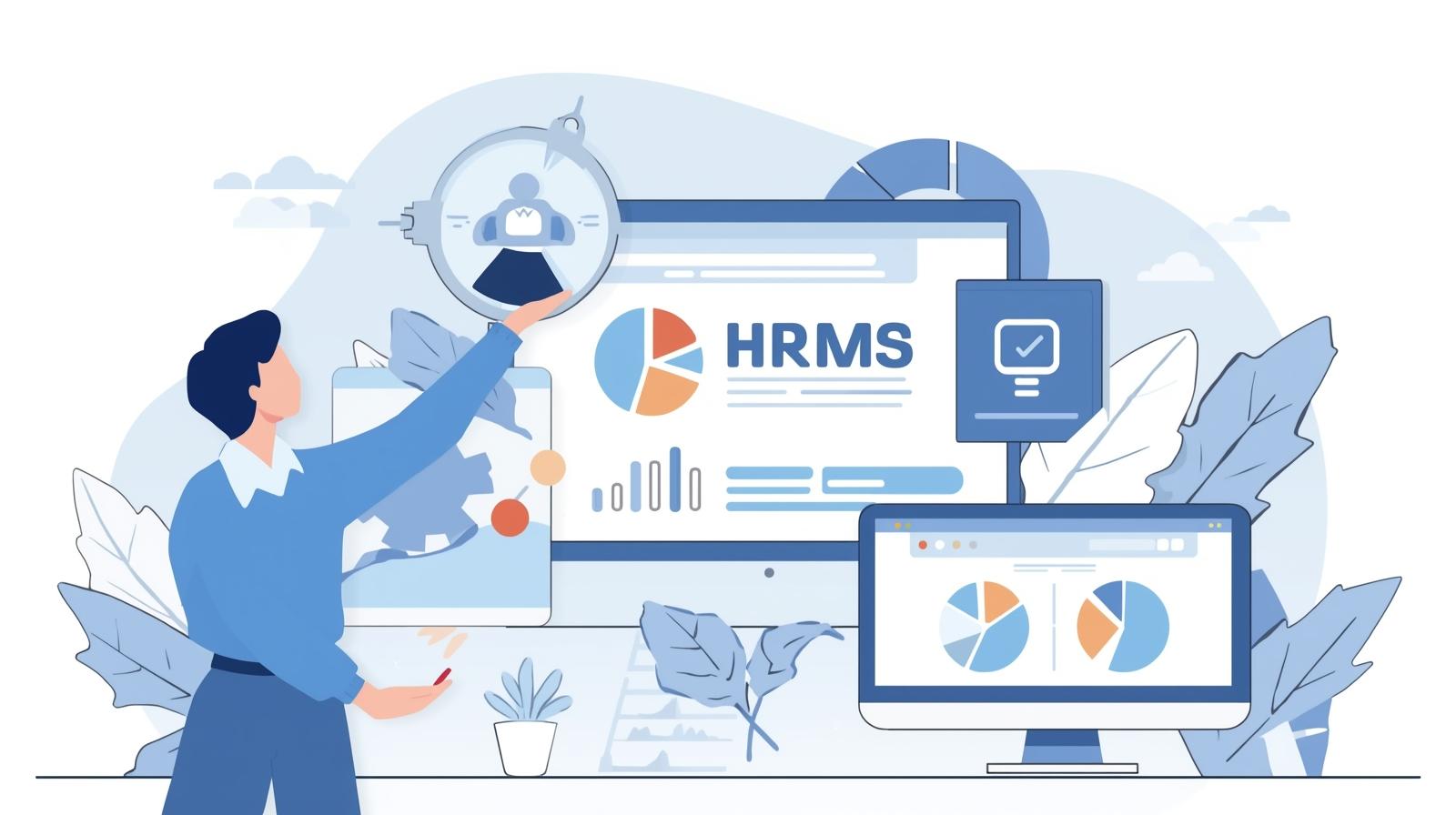
Human Resource Management System (HRMS) - HRMS is a holistic software solution that makes it possible for a business to effectively manage the entire employee lifecycle from a single interface. It can automate employee-related tasks such as employee induction, employee presence/leave management, payroll management, employee performance management, employee development activities, document management, and governmental compliance. HRMS helps to eliminate all manual work and errors by integrating all employee-related information from a single interface and provides access to the correct information of employees to the HR team to concentrate on all strategic activities and not perform any manual work.
Why Modern Organizations Need an HRMS
The modern workforce is increasingly digital, mobile, and flexible, with employees expecting seamless and transparent HR experiences. An HRMS helps organizations meet these expectations by enabling self-service access to HR information and processes from anywhere. Employees can mark attendance, apply for leave, access payslips, view policies, and participate in training programs without dependency on HR personnel. This not only improves employee satisfaction and engagement but also supports remote and hybrid work models, making HR operations more resilient and scalable.
How an HRMS Benefits Business Operations
Implementing an HRMS delivers significant operational benefits by digitizing paperwork, automating repetitive workflows, and improving data accuracy. Secure cloud storage ensures that employee data is protected and backed up, while role-based access controls maintain confidentiality. Automated payroll and attendance integration reduces processing time and compliance risks, and real-time reporting and analytics provide management with actionable insights into workforce productivity, performance trends, and attrition. Overall, an HRMS enhances transparency, accountability, and decision-making across the organization.
Core HRMS Modules That Drive Efficiency
A well-designed HRMS includes modules that support every stage of the employee journey, from onboarding to exit management. Structured onboarding helps new hires understand organizational culture and expectations from day one, while centralized employee databases ensure consistency and easy access to information. Attendance, time-off, and performance management modules keep daily operations aligned with business goals, and integrated learning systems support continuous employee development. Together, these capabilities create a more organized, engaged, and high-performing workforce.
Choosing the Right HRMS for Long-Term Growth
Selecting the right HRMS requires aligning software capabilities with organizational needs, budget, and future growth plans. Cloud-based HRMS solutions are increasingly preferred due to their lower upfront costs, ease of implementation, scalability, and anytime-anywhere accessibility. When chosen carefully and implemented effectively, an HRMS becomes a strategic enabler that strengthens company culture, improves retention, and supports sustainable business growth. To see how attendance and workforce tracking can be simplified, explore our Attendance Management Solution designed for modern organizations.