
RAGU M
Updated on 30-07-2026
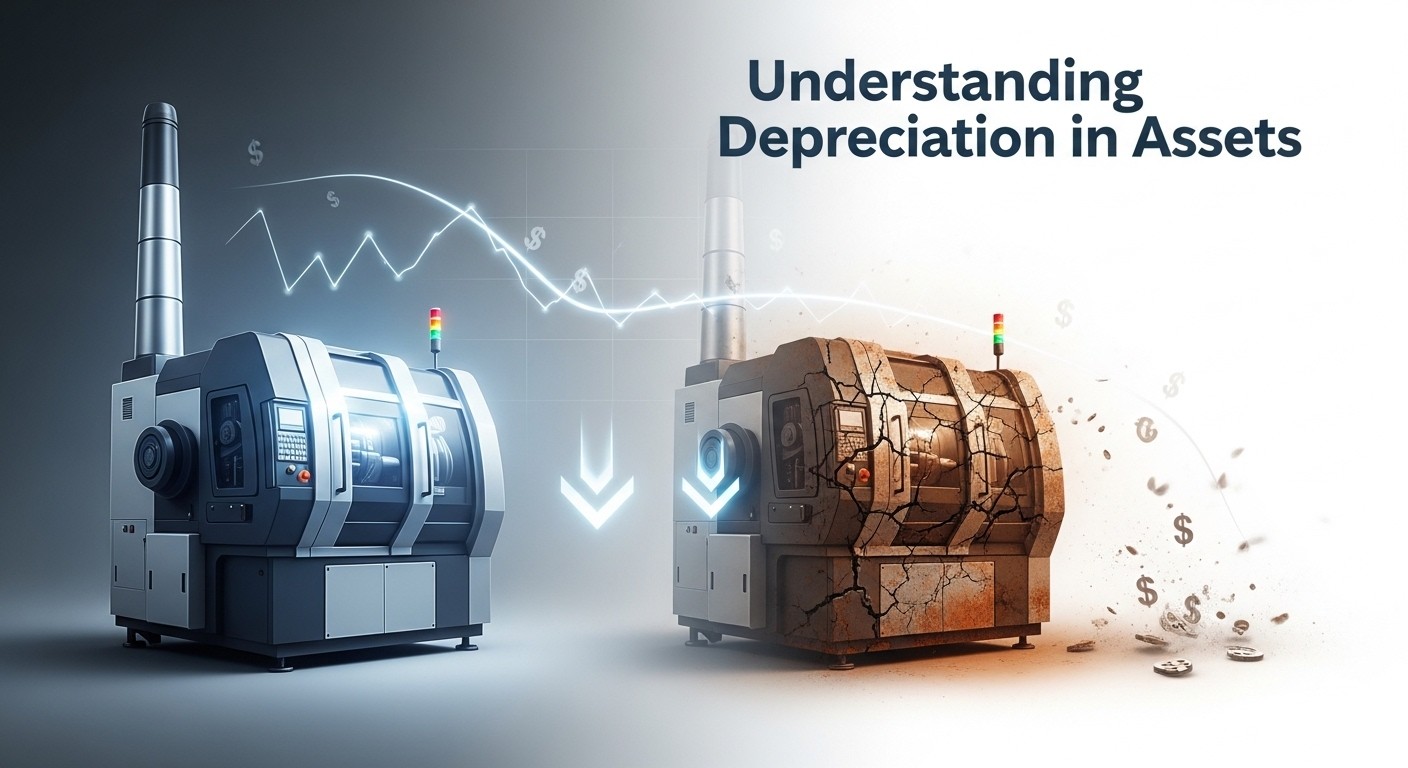
Depreciation of assets is very important in accounting and finance department since both the balance sheet and tax obligations of a business will be affected by the depreciation of all assets. As a company buys and uses the assets that it has purchased, the asset will lose value over time because of either the physical deterioration of the asset, or the obsolescence of the asset. Understanding how depreciation works is essential to producing accurate financial statements, as well as for planning strategically.
Depreciation refers to the systematic allocation of the cost of a tangible asset over its useful life. This accounting method provides a way for businesses to spread out the initial expense of an asset, helping in assessing its value over time. Depreciation is critical for reflecting the asset's consumption, wear and tear, deterioration, or even obsolescence.
The significance of depreciation in assets is multifaceted:
Businesses have various methods available to calculate depreciation, each serving different strategic purposes.
Straight-line depreciation is the simplest and most commonly used method. It calculates equal expense for each year of the asset's useful life:
Pros: Simple to apply and provides consistent expense recognition.
Cons: Doesn't account for actual usage or degradation of the asset.
The declining balance method, often favored for technology and manufacturing, assumes that assets lose value more quickly in their initial years.
Pros: Matches higher maintenance and repair costs in later years.
Cons: Complex calculations compared to straight line.
This method bases depreciation on the asset's actual usage, ideal for machinery or equipment:
Pros: Aligns depreciation with actual asset use.
Cons: Requires detailed tracking and can be impractical for some assets.
Depreciation impacts several areas of business, including financial health and operational strategy.
In the financial statement, depreciation is recorded on the profit and loss statement as a non-cash expenditure and decreases income. Asset depreciation is recorded against the asset's original cost on the balance sheet.
Companies can leverage depreciation for tax deductions, reducing taxable income. This aspect is crucial for cash flow management and profitability.
Understanding asset depreciation helps businesses in scheduling maintenance, planning asset replacement, and ensuring optimal asset utilisation.
In recent years, there have been notable trends in asset depreciation, such as:
Automation in calculating depreciation helps ensure accuracy and compliance with changing accounting standards, enabling quicker and more efficient financial reporting.
Companies are increasingly accounting for sustainable practices by extending asset life through refurbishment and reuse, impacting depreciation schedules.
Depreciation in assets is not just an accounting formality; it is a strategic tool that influences crucial business decisions and financial outcomes. Understanding its methods and implications can aid businesses in maximizing asset utility, optimizing tax strategies, and enhancing financial forecasting. Embracing technology and remaining aware of trends ensures that businesses can navigate the complexities of asset management in today's dynamic economic landscape.
By aligning depreciation strategies with overall business goals, organizations not only preserve their financial health but also pave the way for sustainable growth and innovation.
Checkout the accounting software Ledgers.cloud for effective asset management.
