
RAGU M
Updated on 30-07-2026
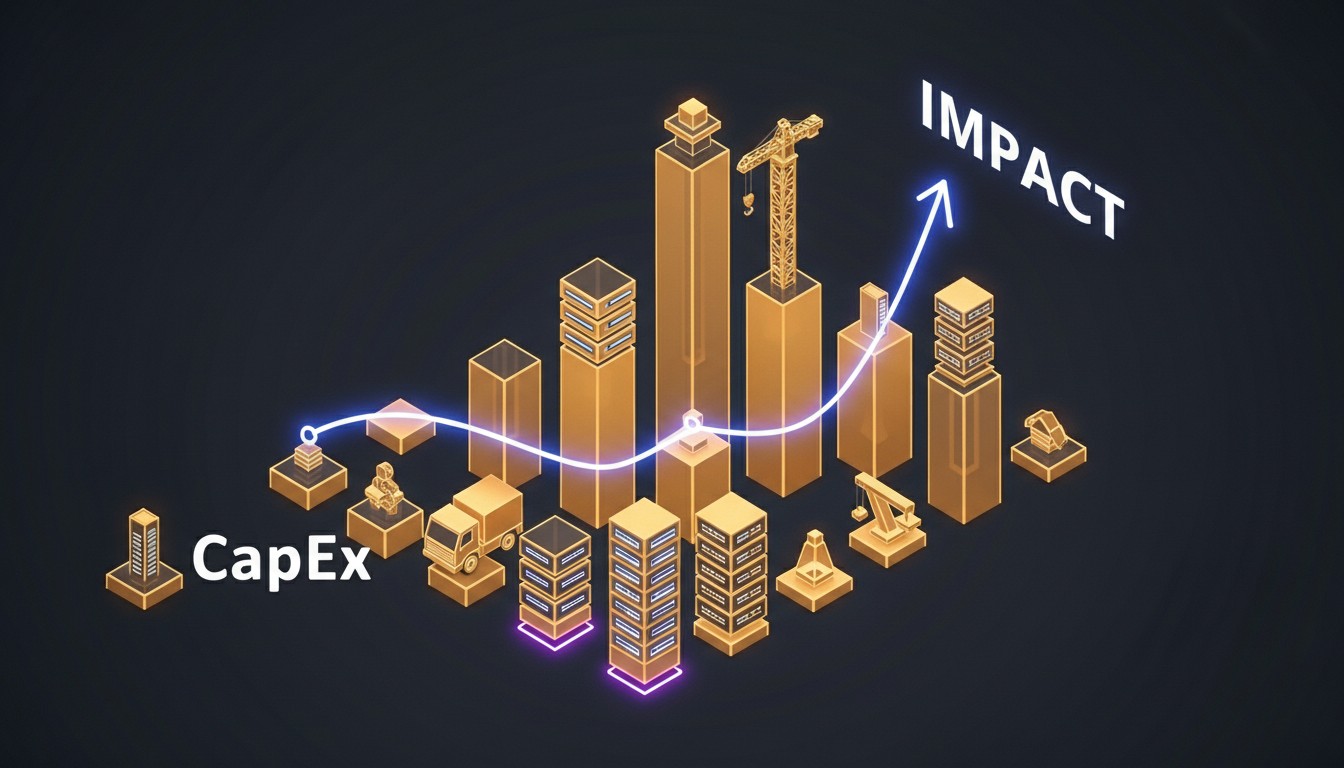
Within the business domain, capital expenditures - or "CapEx" - are instrumental in facilitating growth and sustainability for an organisation. This article will provide a complete overview to allow all stakeholders to comprehend why CapEx is important and how it impacts the strategic planning and investment process. After reading this article, you will better grasp the basic definition of capital expenditures and their effect on companies today.
Capital Expenditure (CapEx) refers to the funds a business spends to acquire, upgrade, or maintain capital assets (e.g., real estate, industrial facilities, machinery). Long-term investments in these types of assets are important because they help increase a company's capacity or improve its operational efficiency. Here's how CapEx differs from other expenditures.
CapEx is important for more than just owning physical assets; it is also vital in informing your company’s decisions to grow. Here’s why CapEx matters:
1. Growth of the Organization Using CapEx to evaluate how committed an organization is to growing its business (i.e., through the purchase of new production equipment, expanding facilities, etc.) will help determine if it has the ability to meet the demands of a growing market and thereby improve overall production output, while also allowing companies to experience higher revenues over the long term.
2. Competitive Advantage A company can maintain an ongoing competitive advantage by investing in state-of-the-art technology or an innovative supply chain. These types of investments typically result in higher quality products, lower production costs, and greater customer satisfaction levels.
3. Managing Asset Lifecycles CapEx plays an important role in ensuring that a company’s assets are kept operational and efficient. By consistently investing in the upkeep of their assets (through some form of maintenance and/or upgrades) companies can minimize the risk of unexpected breakdowns and maximize the longevity of their assets.
Both operating expenses and capital expenditures are essential for the successful operation of a business; however, they serve separate purposes and their respective impacts on the financial statements differ.
Operating Expenses (OpEx) are incurred by a company in order to maintain its day-to-day operations (e.g., salaries, utilities, rent).
OpEx is recorded as an expense on the income statement, which will reduce the taxable net income of the company, while capital expenditures (CapEx) improve the company’s balance sheet, but are amortized over a period of time.
The purpose of OpEx is to keep the business operating, whereas CapEx is used to assist the company with future growth and help build shareholder value.
Understanding the CapEx process is essential for successful asset management and financial planning. This process typically involves several stages:
The first stage involves identifying needs, evaluating options, and assessing the potential returns on investment. Goals must be aligned with broader business objectives.
Once the investment needs are identified, companies allocate a specific budget for CapEx. Securing funding from internal reserves, external loans, or investors is vital.
Large CapEx projects often require board or investor approval. Comprehensive business cases and risk assessments are crucial to secure this endorsement.
Executing the investment requires careful management and oversight to ensure that timelines, budgets, and quality standards are met.
After implementation, it's crucial to assess the investment's performance. Metrics for evaluating efficiency gains, cost savings, and revenue enhancement are used to ensure the CapEx was beneficial.
In recent years, businesses have increasingly focused on sustainable and technology-driven CapEx projects. Key trends include:
Understanding capital expenditure is essential for any business aiming for long-term growth and competitiveness. For every company looking for sustained success and competing effectively in the marketplace, it’s critical to have a thorough knowledge of capital expenditures. Proper Capital Expenditure management ensures that companies can optimize the use of their capital and provide the best return on their investments. As trends in Capital Expenditure continue to evolve and develop, businesses have an opportunity to take advantage of Capital Expenditure as they develop and execute strategic initiatives. As either an investor or business executive, it is important to understand how Capital Expenditures will affect where the economy is headed. CapEx ensures that companies allocate resources efficiently, thereby maximizing returns on investments. By keeping abreast of the latest trends and developments, businesses can leverage CapEx for strategic advantages. Whether you're a business leader or an investor, grasping the intricacies of CapEx is pivotal to navigating the future economic landscape successfully.
Checkout Ledgers.cloud for managing your company in a smarter way.
