




KARTHIK MANI
Updated on
30-07-2026
Connected Banking in Ledgers
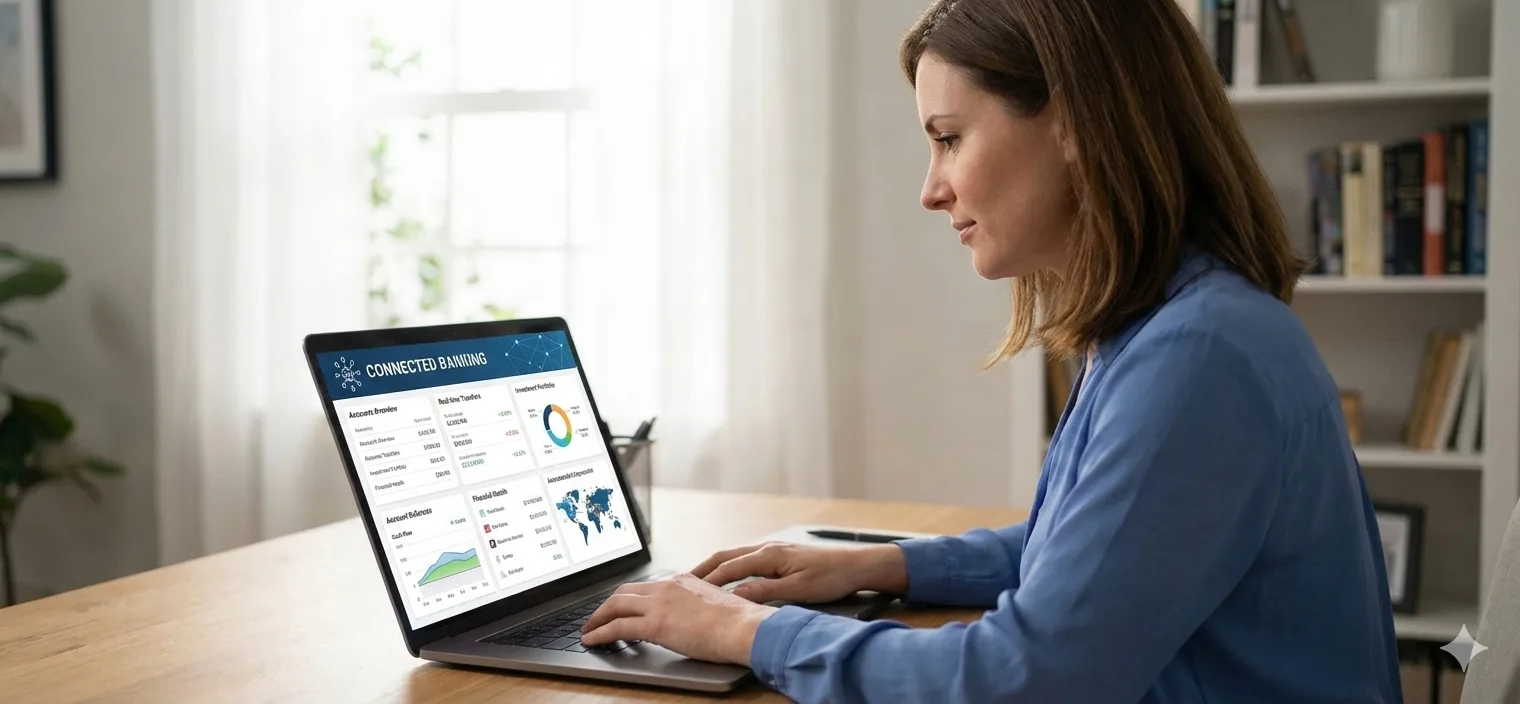
A Connected Bank allows for a direct connection between your bank account and the accounting software called Ledgers. Connected Bank allows users to have all of their bank information imported into the program automatically, instead of downloading and entering bank statements manually or entering every transaction manually into Ledgers. By automatically importing data, Connected Banks save users time and significantly decrease the likelihood of making errors in their bookkeeping associated with manual inputting of data.
How It Works
Upon connecting a bank account, the application called Ledgers imports transactional data automatically without entering anything manually. Transactions such as deposits, withdrawals, transfers and payments are all entered directly into the application once the account has been connected. You can connect multiple types of bank accounts from current, savings and credit card accounts. Your connection is secured using encrypted credentials for read only access; so, although Ledgers will have access to your transaction history, they cannot access your funds or initiate any payment requests on your behalf. Thus, the users of Ledgers can rest assured that their financial data is safe, secure and that their transaction history has not been compromised, as it has been maintained using best practises for creating and maintaining secure banking credentials.
Benefits of Connected Banking
The most notable benefit of using Connected Banking is saving you time. Hours of entering data manually have been transferred to automated functions that execute in the background automatically. With Connected Banking, you'll be able to view both your total amount of money on deposit at all times, along with your current accounting number (after allowing for other transactions). In addition to saving time, reconciling your records and matching the amounts of money you receive from customers and vendors can be accomplished more easily. The ledgers will automatically associate the matching transactions in your books with either an invoice that you issued to your customer or the receipts from your customers. Using a similar process, months after you've paid for an invoice, the records created from your vendors will automatically connect to that vendor's payment. Based on these processes, you'll be able to reduce the manual inputs of your transactions significantly, and thus, no longer have to spend as much time matching them to each other. Another important advantage to Connected Banking is identifying errors rapidly. Because you'll be able to view every transaction that has occurred within your bank account, it will immediately highlight any discrepancy between what you see in your records and what you've deposited or withdrawn from your bank account. Such errors may include: an unauthorized withdrawal; a payment for which you forgot to document; or simply a payment you didn't recognize or document correctly.
Making Better Decisions
With real-time bank data, you can make more informed financial decisions. You'll know exactly how much cash you have available before committing to large purchases or expenses. You can track spending patterns across different categories and identify areas where you might be overspending.
The feature also helps with cash flow forecasting. By analyzing your historical banking data alongside your pending invoices and bills, you can predict future cash positions more accurately. This helps you plan for lean periods and take advantage of opportunities when cash is strong.
Connected Banking transforms your accounting from a backward-looking record into a real-time financial management tool. It's about working smarter, not harder.