




NARESH KUMAR E
Updated on
30-07-2026
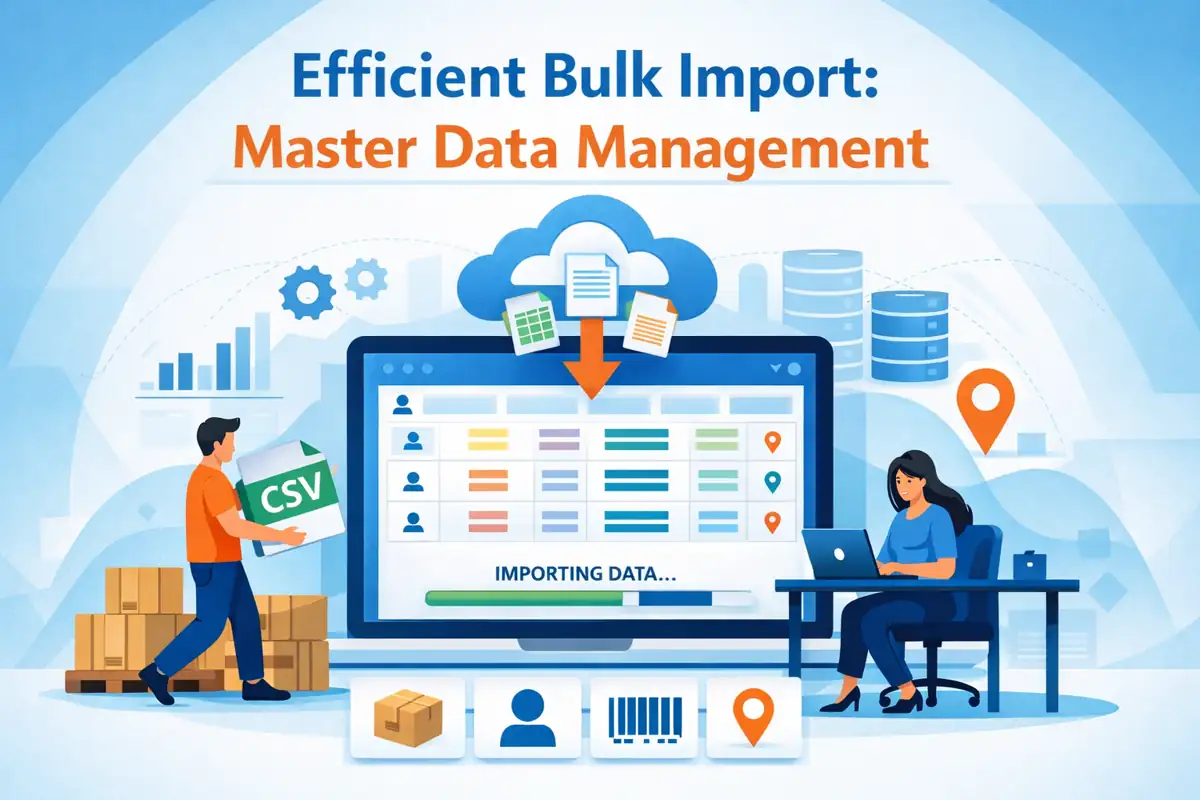
Efficient Bulk Import: Mastering Data Management
Data management of large amounts of data is an essential aspect of any business. The concept of bulk import is fundamental in effective data management. It facilitates fast and accurate transfer of large amounts of data. It might be the incorporation of a new customer database, updating the inventory details, or transferring the data during a system upgrade. Knowledge of bulk import methods helps in taking care of your data integrity as well as increasing efficiencies.
Understanding Bulk Import
Bulk import refers to the process of transferring large volumes of data into a database or an information system efficiently and accurately. This becomes very important in organizations dealing with immense volumes of data, as this minimizes time and reduces the possibility of errors arising from the use of manual data entry.
Key Benefits of Bulk Import
Time Efficiency: Use automation of data transfer to save on times and resources.
Error Reduction: Reduce the opportunity for manual entry errors through automation.
Scalability: Handling Rise in the Volume of Data
Scalability is an important feature for data
CONSISTENCY: The data should be consistent and accurate across all systems.
Strategies for Successful Bulk Import
To execute an efficient bulk import, consider the following strategies:
1. Proper Data Preparation
Before you start a bulk import, make sure that your data is well-prepared. This means cleaning and structuring the data to remove any duplicate entries, inaccuracies, or inconsistencies in format. Using data preprocessing tools will help you considerably in this effort.
2. Choose the Right Tools
Software and/or tools selection plays an important role in making mass imports successful. Choose those platforms which will meet your desired business needs and will easily integrate with your current infrastructure. Some leading software and tools are:
Microsoft SQL Server Integration Services (SSIS)
Talend Open Studio
Apache Nifi IBM InfoSphere DataStage
3. Test Before Full Implementation
A pilot run is important to be done in a smaller dataset beforehand. In this way, you can easily determine what problems exist and how to immediately solve them to avoid complications when the actual importing of the data would take place.
4. Monitor and Validate
Once started, it’s important to monitor the import to ensure all imports are in progress as expected. After an import, it’s important to verify the accuracy and completeness of the data.
Latest Trends in Bulk Import
Staying abreast of the latest trends and developments in bulk import technology gives you a competitive edge:
Cloud Integration
As businesses migrate to the cloud, bulk import processes are increasingly integrated with cloud platforms. This offers enhanced scalability, flexibility, and cost-effectiveness.
Artificial Intelligence and Automation
AI plays a significant role in today's data import processes. Automated data cleaning and preprocessing through machine learning algorithms enhance accuracy and efficiency.
Data Security Measures
With data breaches on the rise, robust security measures during the bulk import process have become imperative. Data encryption, advanced authentication methods, and compliance with privacy regulations like GDPR ensure secure data handling.
Conclusion
In today's data-driven world, mastering bulk import processes is essential for maintaining the competitive edge of your business. By preparing your data, selecting appropriate tools, testing thoroughly, and monitoring the import process, you pave the way for efficient data management, accuracy, and operational excellence. Staying updated with the latest trends ensures you leverage advanced technologies, such as cloud platforms and AI, to maximize efficiency and security in your bulk import processes.
Embark on optimizing your data import strategies today to achieve unparalleled business success. With these best practices, empower your organization, streamline operations, and keep pace with technological advancements.