
SIVAKRISHNAN V
Updated on 30-07-2026
In the evolving world of business and legal documentation, e-Stamping Agreements, Power of Attorney (POA), Limited Liability Partnership (LLP) Agreements, and Partnership Deeds play a crucial role. As these legal instruments shift towards digital solutions, understanding their implications, processes, and requirements becomes essential for businesses and individuals alike. This comprehensive guide will illuminate the key aspects of these documents, focusing on their significance in the modern digital landscape.
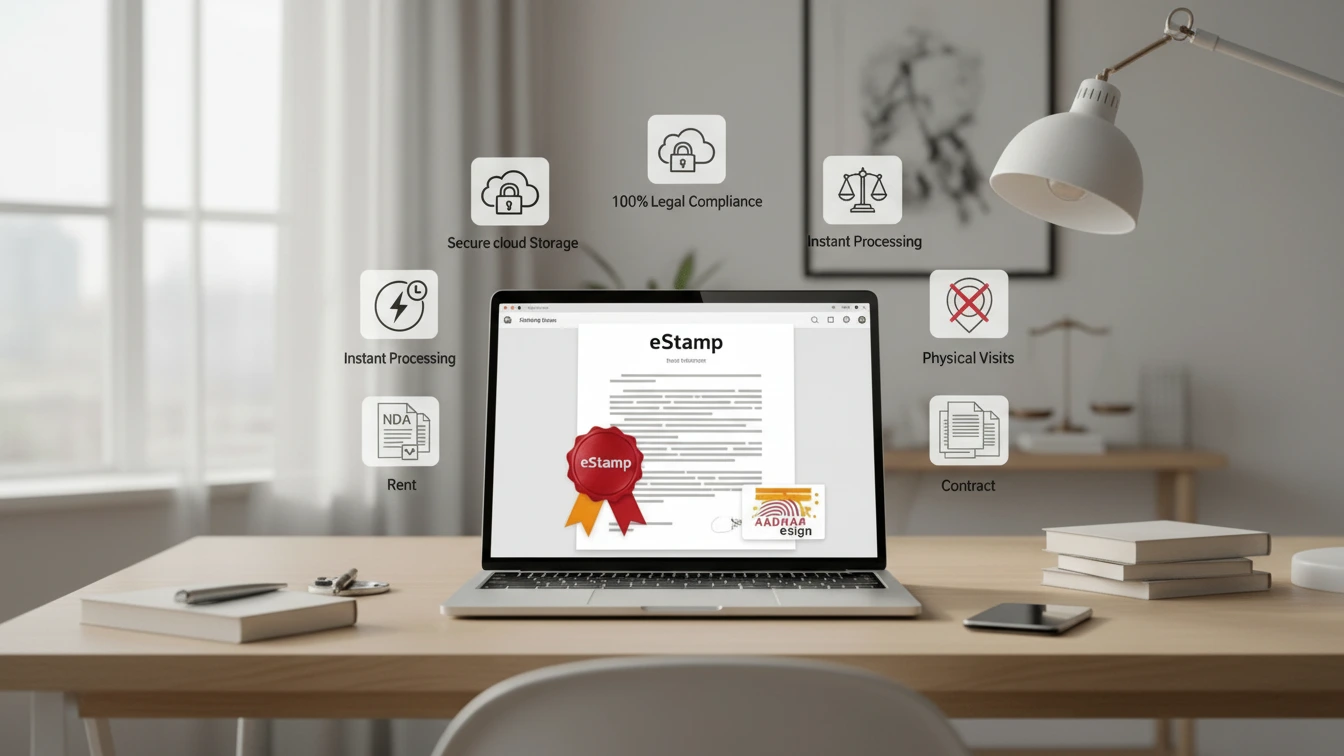
E-Stamping Agreements represent the digital counterpart to traditional paper-based stamping. E-Stamping is rapidly gaining popularity due to its efficiency, security, and governmental acceptance. It simplifies the entire stamping process by eliminating the need for physical stamps, thus reducing the risk of counterfeiting and fraud.
The move towards e-Stamping is part of a broader governmental effort to digitize processes, which helps in increasing transparency and accessibility.
A Power of Attorney (POA) is a legal document that grants one person the authority to act on behalf of another in specified matters. Whether for business or personal decisions, POAs are integral instruments that facilitate the seamless operation of affairs in one's absence or incapacity.
Understanding which type of POA is appropriate for your needs is crucial, as it dictates the extent and limits of the decisions made on your behalf.
Limited Liability Partnerships (LLPs) offer a blend of corporate flexibility and partnership advantages, making them an attractive choice for businesses. LLP Agreements are pivotal as they define the mutual rights and obligations of the partners in the LLP.
LLP Agreements must be carefully drafted to ensure clear communication and prevent potential disputes among partners.
A Partnership Deed is a formal agreement between partners in a business that outlines the terms and conditions of the partnership. It serves as a guiding document that governs the partnership's operations and relationships between partners.
Well-structured Partnership Deeds help in mitigating disputes by providing a clear framework for conflict resolution and business operation.
To summarize, all Business and Law transactions have foundation documents such as E-Stamping agreement, Power Of Attorney (POA), Limited Liability Partnership Agreement (LLP Agreement), and Partnership Deed. Given the global shift towards digital solutions, the need to comprehend and effectively utilize these tools is becoming increasingly important. The use of Digital platforms will not only allow you to increase the efficiency of your business or personal transaction but also provide a secure method of conducting business that will maintain compliance and have a forward-thinking outlook through ongoing development as these documents continue to evolve. When starting an LLP, Giving someone a POA or creating a Partnership Deed, you must have a thorough understanding to protect yourself and maximize the likelihood that your endeavor will be successful. As these legal documents continue to evolve, they represent a considerable advancement in digitalization within the legal profession and present legal entities with the ability to protect both their business and individual interests in an ever-increasingly complex world in a streamlined manner that is clearly and easily accessible and transparent.
