




SIVAKRISHNAN V
Updated on
30-07-2026
Understanding eStamping Agreements, POA, LLP Agreements, and Partnership Deeds
It is essential that everyone involved in business or law nowadays be familiar with types of agreements such as eStamping Agreements, Power of Attorney (POA) Agreements, Ltd. Liability Partnership (LLP) agreements, and Partnership Deeds (also known as Business Deeds). While these different types of agreement establish how the parties involved will work together, they also provide the basis on which the parties will comply legally with their obligations. In this reference material, an overview of each agreement, rationale for using that type of agreement, and how to navigate the process will be discussed for each agreement type.
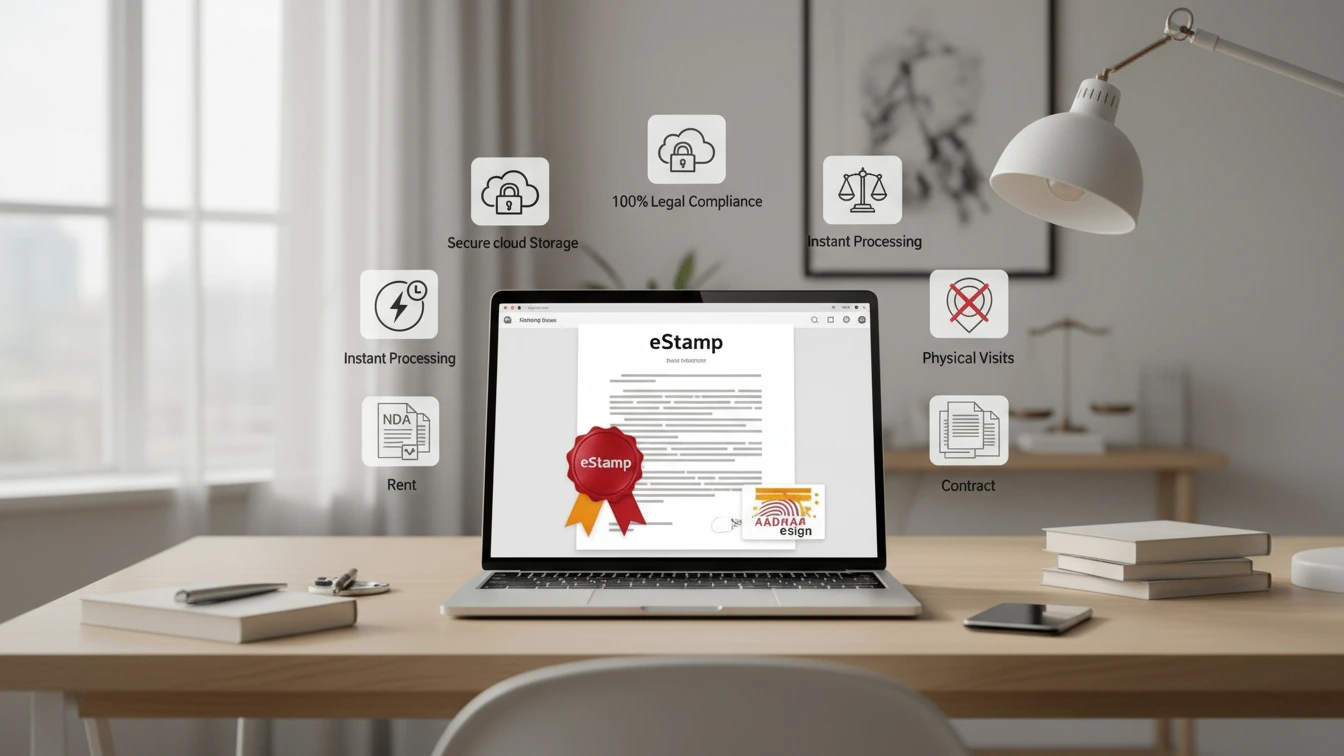
eStamping Agreement: Revolutionizing Legalization
The digital age has introduced the concept of eStamping, transforming traditional paper stamping into a convenient and efficient electronic process. This method has come to the forefront due to the increasing need for speed and reliability in legal transactions.
- Definition: eStamping is a digital method of paying stamp duty on legal documents, replacing the traditional method of using adhesive or impressed stamps.
- Benefits:
- Eliminates the risk of counterfeit stamps.
- Streamlines the documentation process.
- Offers immediate verification and authenticity.
- Process: Users can access an online portal to generate their stamp certificate after paying the requisite fees.
The shift to eStamping supports modern business practices by offering an accessible and secure method for legal compliance, enhancing both efficiency and transparency.
Power of Attorney (POA): Delegating Authority
A Power of Attorney (POA) is an instrumental legal document that allows an individual (the principal) to designate another person (the agent or attorney-in-fact) to act on their behalf. Understanding its nuances is vital for both personal and business dealings.
- Types:
- General POA: Grants broad powers to the agent.
- Special POA: Limits the agent's power to specific tasks.
- Durable POA: Remains effective even if the principal becomes incapacitated.
- Key Uses:
- Managing financial matters.
- Handling real estate transactions.
- Overseeing legal and medical decisions.
The flexibility of a POA allows individuals to tailor the document to their specific needs, ensuring that their affairs are managed according to their preferences during times of absence or incapacity.
LLP Agreements: Structuring Limited Liability Partnerships
For businesses looking to combine the advantages of partnerships and corporations, the LLP Agreement stands as an invaluable tool. It dictates the operational modalities within a Limited Liability Partnership (LLP).
- Characteristics:
- Protects partners from individual liability for certain partnership obligations.
- Facilitates management flexibility over standard corporations.
- Requires registration and compliance with local laws.
- Essential Components:
- Details of each partner’s contribution and responsibilities.
- Profit-sharing ratios and withdrawal protocols.
- Provisions for dispute resolution and dissolution.
Creating a robust LLP Agreement ensures that the partnership can operate smoothly while safeguarding the interests of its partners. It's a strategic choice for professionals seeking an organized yet adaptable business structure.
Partnership Deed: Foundation of General Partnerships
The Partnership Deed is the backbone of general partnerships, outlining duties, profits, and the mechanisms for resolving disputes among partners.
- Core Elements:
- The nature and scope of the business.
- Details about capital contributions from each partner.
- Outline of profit and loss distribution.
- Procedures for making critical business decisions.
- Benefits:
- Clarifies expectations and responsibilities.
- Mitigates potential conflicts through pre-set guidelines.
- Ensures transparency and fairness amongst partners.
A well-structured Partnership Deed ensures that partnerships operate effectively, facilitating a collaborative environment where partners can leverage each other's strengths.
Conclusion: Effective Documentation and Compliance
Understanding the intricacies of eStamping Agreements, Power of Attorney (POA), LLP Agreements, and Partnership Deeds is essential for ensuring legal compliance and fostering successful professional relationships. By diligently applying such documentation, individuals and businesses can protect their interests, define their roles, and facilitate smoother operational practices.
Staying informed and proactive in drafting and executing these documents guarantees preparedness in a dynamic legal environment. Whether for personal affairs or business ventures, proper agreements and documentation lay the foundation for a secure and prosperous future.
The contemporary landscape of legal documentation invites exploration and understanding. By integrating these elements into one's legal and business strategy, parties can navigate complex transactions with clarity and confidence. Embrace the future of streamlined legal documentation, ensuring accuracy and protection at every step.