




SIVAKRISHNAN V
Updated on
30-07-2026
Employee Agreements and Paperless Initiatives: The Digital Transformation
Paperless solutions are becoming essential in the constantly evolving digital landscape. The adoption of technology has revolutionized how businesses manage their documents, impacting the creation and handling of employee agreements and paperless processes through digital tools. This evolution is facilitated by technologies like Document Aadhaar Sign for securely signing documents, significantly altering business operations. This article will explore many issues surrounding the importance and benefits of digitally automated processes and their role in transforming today's business world.
Understanding Employee Agreements in a Digital Era
Employee agreements have evolved from traditional paper-based forms to digital formats, affecting roles, responsibilities, and expectations. Traditionally, these agreements were physical documents, which required tedious paperwork and storage. However, the move to digital has transformed this process significantly.
The Shift Towards Digital Employee Agreements
Digitizing employee agreements encompasses creating, storing, and managing contracts electronically. This shift offers many advantages:
- Efficiency: Digital agreements can be generated and shared quickly, reducing the time spent on physical paperwork.
- Accessibility: With cloud storage, documents are accessible anytime and anywhere, facilitating remote work and global collaboration.
- Security: Advanced encryption and digital signatures ensure that agreements are tamper-proof and secure.
- Cost Reduction: Eliminating paper reduces printing and storage costs, which positively impacts the bottom line.
Paperless Initiatives: The Green Leap Forward
Moving towards a paperless environment is about more than digital transformation; it's a commitment to sustainability and efficiency. Companies worldwide are recognizing the benefits of adopting paperless initiatives to streamline their operations.
Key Benefits of Paperless Initiatives
Organizations adopting paperless workflows experience numerous benefits:
- Environmental Impact: Reducing paper use significantly cuts down deforestation and waste, aligning with corporate sustainability goals.
- Operational Efficiency: Digitized workflows can be automated, reducing human errors and expediting processes.
- Space Saving: Eliminating paper storage liberates office space, which can be repurposed for more productive uses.
- Improved Compliance: Digital records ensure better tracking, auditing, and compliance with regulatory standards.
Document Aadhaar Sign: Enhancing Security and Authenticity
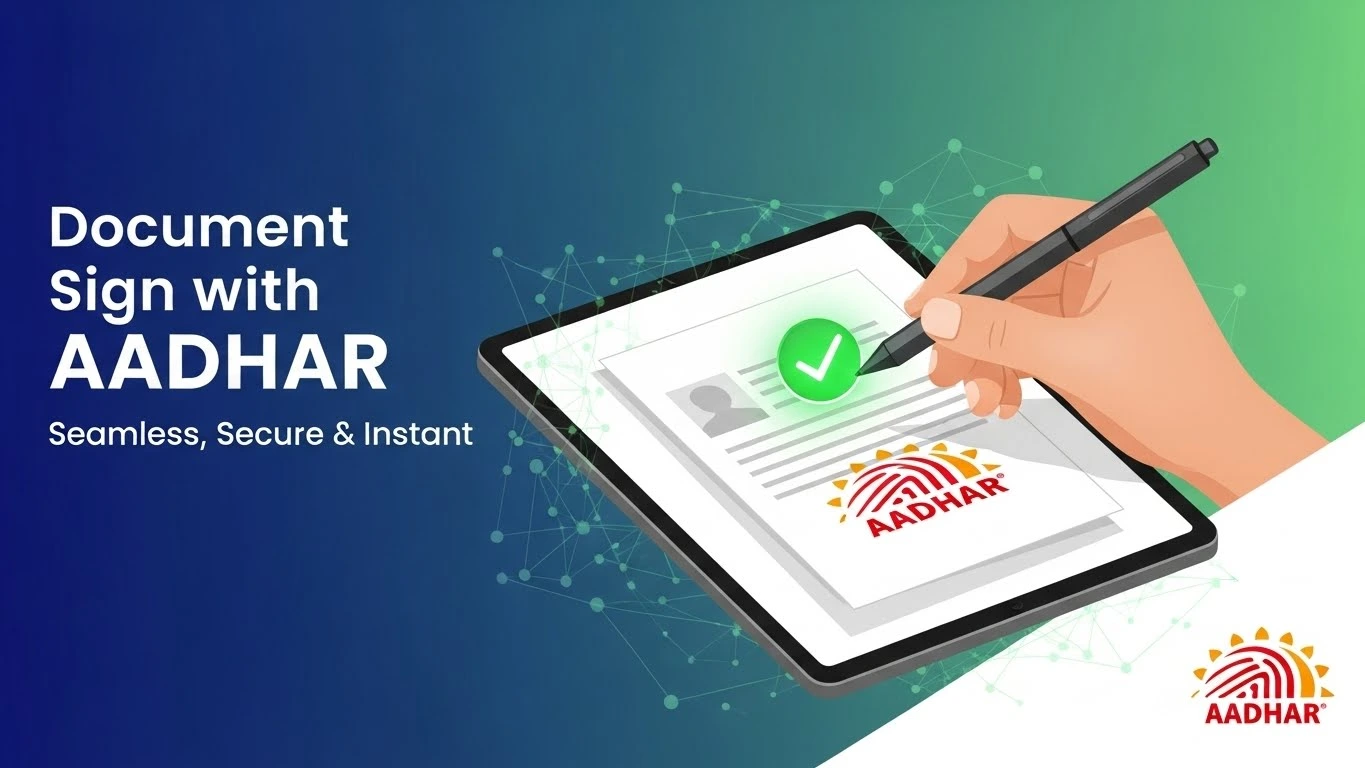
Document Aadhaar Sign stands as a technological miracle, offering a secure method of signing digital documents using the Aadhaar authentication framework. This tool adds a layer of verification, ensuring documents are authentic and legally binding.
How Document Aadhaar Sign Works
The Aadhaar Sign leverages the unique identification system of Aadhaar, the world's largest biometric ID system, to digitally sign documents:
- Identity Verification: Users authenticate their identities through biometrics, making non-repudiation easier.
- Secure Transactions: The usage of Aadhaar increases the security and legality of the signed documents.
- Cost-Effectiveness: Document Aadhaar Sign eliminates the need for physical signatures, reducing logistical and fraud potential.
- User-Friendliness: Integration with existing digital frameworks is seamless, ensuring ease of use.
The Future of Business: Fully Digital and Paperless
The transition to digital signatures and paperless workflows is paving the way for a future defined by efficiency and adaptability. As more businesses recognize the benefits of embracing digital tools like Document Aadhaar Sign, we can anticipate accelerating innovation and increased competitiveness in various industries.
Adapting to Change: Implementing Paperless Initiatives
Companies looking to implement these initiatives should consider:
- Training Employees: Equip your team with the knowledge required to adapt to new digital workflows.
- Choosing the Right Tools: Evaluate and select software that integrates well with your existing systems.
- Setting Clear Policies: Establish guidelines to manage digital documents effectively and ensure compliance.
- Continuous Evaluation: Regularly assess the effectiveness and efficiency of paperless systems and make necessary adjustments.
Conclusion
Using digital signatures as part of an overall paperless initiative is an effective way to improve companies' operational efficiency and environmental sustainability by incorporating digital signatures into employment agreements. Advanced document signing technologies improve workflow efficiency for an organization while enhancing compliance and security, and as these digital technologies mature, businesses using them will be at the forefront of innovation and demonstrate their commitment to sustainability.
To maximize your company's benefits from the transition to a paperless operation, you must be committed to planning carefully, training effectively, and implementing secure, user-friendly digital tools.