
SIVAKRISHNAN V
Updated on 30-07-2026
In the ever-evolving world of business, understanding the legal frameworks and documentation is vital for any entrepreneur or legal professional. E-Stamping Agreements, Powers of Attorney (POA), Limited Liability Partnership (LLP) Agreements, and Partnership Deeds are pivotal for smooth and compliant business operations. This article delves into each of these components, providing a detailed explanation to equip you with the necessary knowledge to navigate these legal waters effectively.
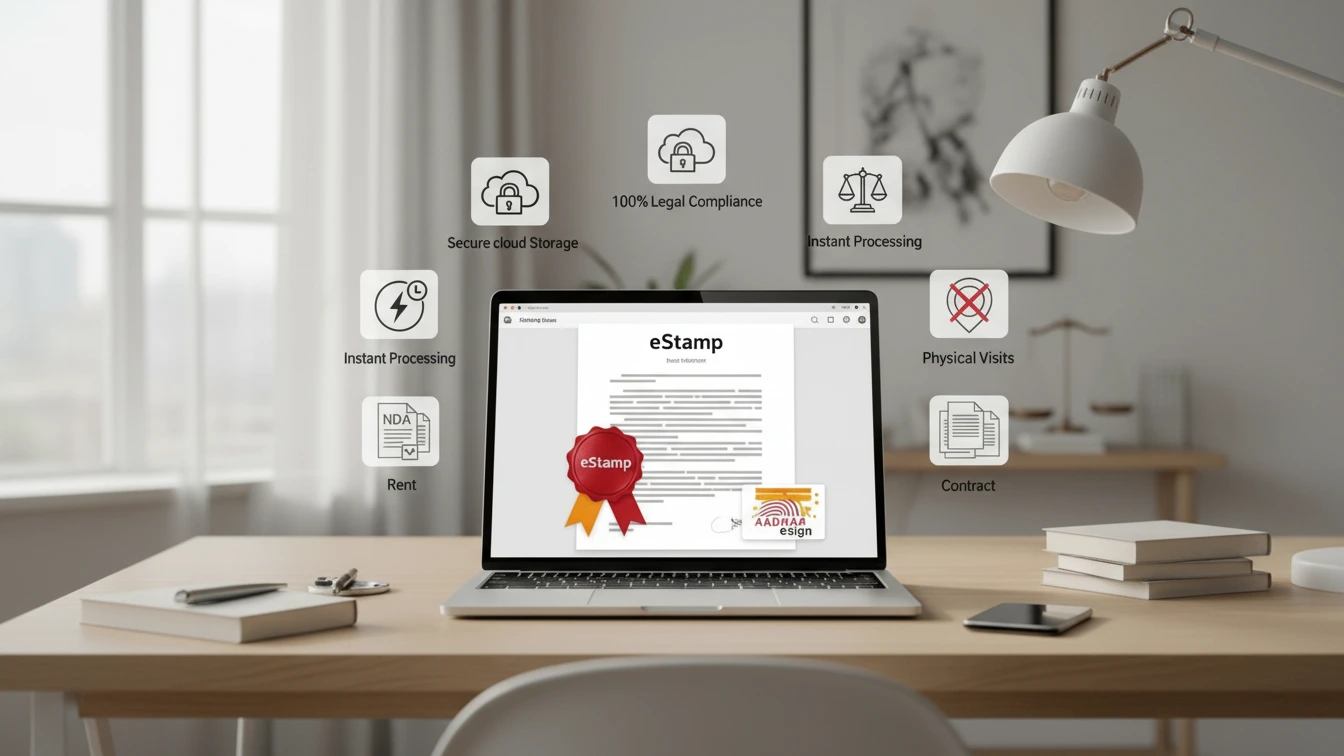
E-Stamping is the process of paying stamp duty electronically. It's a secure way to transact, maintaining compliance with the legal requirements of stamping documents that bear legal significance.
By incorporating e-Stamping into your business processes, you can ensure greater efficiency and authenticity in handling legal documents.
A Power of Attorney is a legal document that provides one person (the agent) the authority to act on behalf of another (the principal). This tool is particularly useful in business settings for making decisions and executing important transactions when the principal is unavailable.
This legal mechanism empowers businesses to maintain operations seamlessly, even under unforeseen circumstances, safeguarding interests and enabling decisive action.
Limited Liability Partnerships (LLPs) combine the best features of partnerships and corporate structures. They offer partners limited liability, protecting personal assets from business debts, while the partnership structure provides operational flexibility.
The structured framework of an LLP is increasingly popular among entrepreneurs seeking a balanced shield against financial risks while retaining control over business dynamics.
Partnership Deeds lay the foundation for partnerships by defining relationships, terms, and operational parameters. While they don't provide liability limitation, they clarify the partnership framework, avoiding misunderstandings.
With a well-structured Partnership Deed, the likelihood of friction among partners is minimized, fostering a collaborative environment crucial for business success.
Understanding and utilizing E-Stamping, POA, LLP Agreements, and Partnership Deeds effectively is essential for modern business operations. Each serves unique purposes and offers specific advantages, from ensuring legal compliance and flexibility to providing structural and financial protection. Whether you're starting a new venture or enhancing existing operations, incorporating these legal components strategically can optimize your business endeavors.
Keeping abreast of the latest regulations and adapting to digital transformations like e-stamping not only safeguards your business but also enhances its credibility and efficiency in a fast-paced market.
By mastering these legal frameworks, investors, business owners, and legal professionals can confidently steer their ventures towards sustained growth and stability.
