




DHIBAGARAN
Updated on
30-07-2026
Essential GST Updates for Traders, Manufacturers, and Services
In the continually changing commerce arena, being informed of Supplier, Manufacturer & Service Provider - GST Updates is critical. Business owners need to keep pace with the changing GST legislation for compliance and minimising their tax exposure. This article summarises the latest amendments that affect suppliers, manufacturers and service providers, providing real insight that is essential to your business.
Changes in GST Rates and Their Impact
The GST Council frequently reviews and adjusts tax rates across various categories to balance revenue with economic growth. Recently, several alterations have been made:
Reduced Rates for Specific Goods: Several goods have seen a reduction in GST rates, which lowers production costs and end prices, potentially increasing competitiveness.
Hiked Rates on Luxury Items: Certain luxury goods have attracted increased GST rates, impacting high-net-worth individual purchases and pricing strategy.
Simplification for Small Traders: Compliance has been simplified under the composition scheme, encouraging smaller businesses to remain in formal channels.
Streamlined Compliance Processes
Recent modifications aim to ease the GST compliance burden, especially for SMEs:
Introduction of E-Invoicing: The mandatory e-invoicing mechanism simplifies GST returns filing, ensuring transparency and reducing scope for errors.
Quarterly Return Filing: Taxpayers with an annual turnover under a specified limit can now opt for quarterly return filings, minimizing administrative overheads.
Facilitation of Input Tax Credit: Rules for claiming input tax credit have been clarified, allowing businesses to maximize their credits efficiently.
Technological Advancements and Tools
Technology plays a pivotal role in modern GST compliance. The government and the GSTN have introduced several tools to assist businesses in managing their obligations:
GST Suvidha Providers (GSPs): These interfaces simplify the filing of GST returns and enable seamless financial processing.
Analytics for Compliance Monitoring: Advanced analytics tools help detect anomalies, ensuring greater accuracy and reducing audit risks.
Mobile Apps for On-the-Go Management: Remain updated and manage compliances via user-friendly apps, offering ease and flexibility.
Key Policy Amendments Impacting Service Providers
Significant policy updates have reshaped the regulatory framework for service providers:
Reverse Charge Mechanism: Updates in tax at source requirements have altered billing practices, calling for service providers to adapt their accounting systems.
New Exemptions: Introducing new exemptions for specific service-related transactions facilitates wider flexibility in service delivery modes and options.
Rate Uniformity: Efforts towards homogenizing service tax rates across states help service providers to strategize pricing uniformly.
Essential Insights for Manufacturers
Manufacturers, as major stakeholders in the GST framework, need to stay strategically advised:
Updated Input Tax Credit Provisions: Manufacturing entities can benefit from the revised methods to calculate input tax credits, enhancing cost-effectiveness.
Compliance for Export Manufacturing: Enhanced clarity on taxes for export manufacturing bolsters international trade prospects and competitiveness.
Renewed Focus on Make in India: Incentives under GST for domestic manufacturing align with the Make in India initiative, emphasizing local production.
Demystifying Common GST Misconceptions
Despite GST's profound impact, several businesses operate under misconceptions:
Myth about Complexity: Modern tools significantly simplify GST processes, dispelling notions about GST being overly complicated.
Erroneous Input Tax Credit Claims: Precise documentation and understanding of eligible credits are crucial for accurate claims.
Pervasive Rate Confusion: Regular updates and reliable sources help clarify current applicable rates and rules.
The Road Ahead
The GST structure is poised for continual evolution as the government pursues to streamline processes and escalate economic growth:
Enhanced Automation: future could hold more automated processes reducing manual intervention and errors.
Policy Adjustments: Anticipated policy alterations are directed towards further easing of compliance, especially for medium and small businesses.
Incremental Global Integration: With ever-increasing globalization, GST frameworks may adapt aspects from international tax systems to suit India's unique needs.
Conclusion
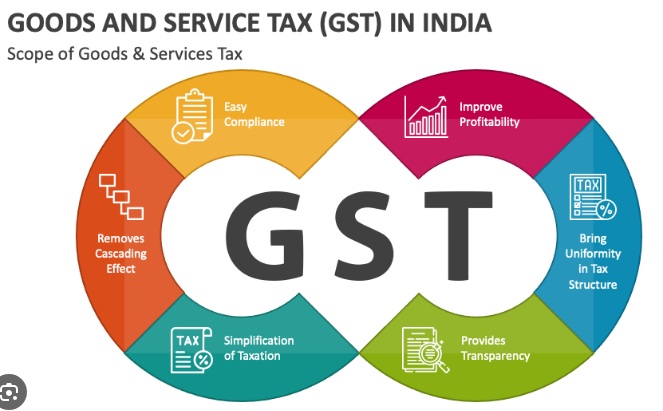
Staying updated with the essential GST updates for traders, manufacturers, and services is vital to maintaining compliance and optimizing business efficiency. The recent changes focus on enhancing transparency, easing compliance, and strengthening economic participation. By leveraging technology and understanding these updates, businesses can better navigate the GST framework, ensuring sustainable growth and reduced compliance challenges. Embrace these changes proactively to convert compliance responsibilities into strategic advantages.
For professional assistance with GST compliance or to stay updated with the latest changes, consult with a certified GST expert to ensure your business enjoys seamless operations and adheres to all regulations.
LEDGERS simplifies GST compliance by embedding reconciliation directly into the accounting workflow, helping businesses identify mismatches early and address them before they lead to interest or penalties. With automated GSTN data synchronization, invoice-level tracking, and system-driven validations, LEDGERS enables seamless, reliable compliance without last-minute corrections or manual follow-ups.