
PREMNATH P
Updated on 30-07-2026
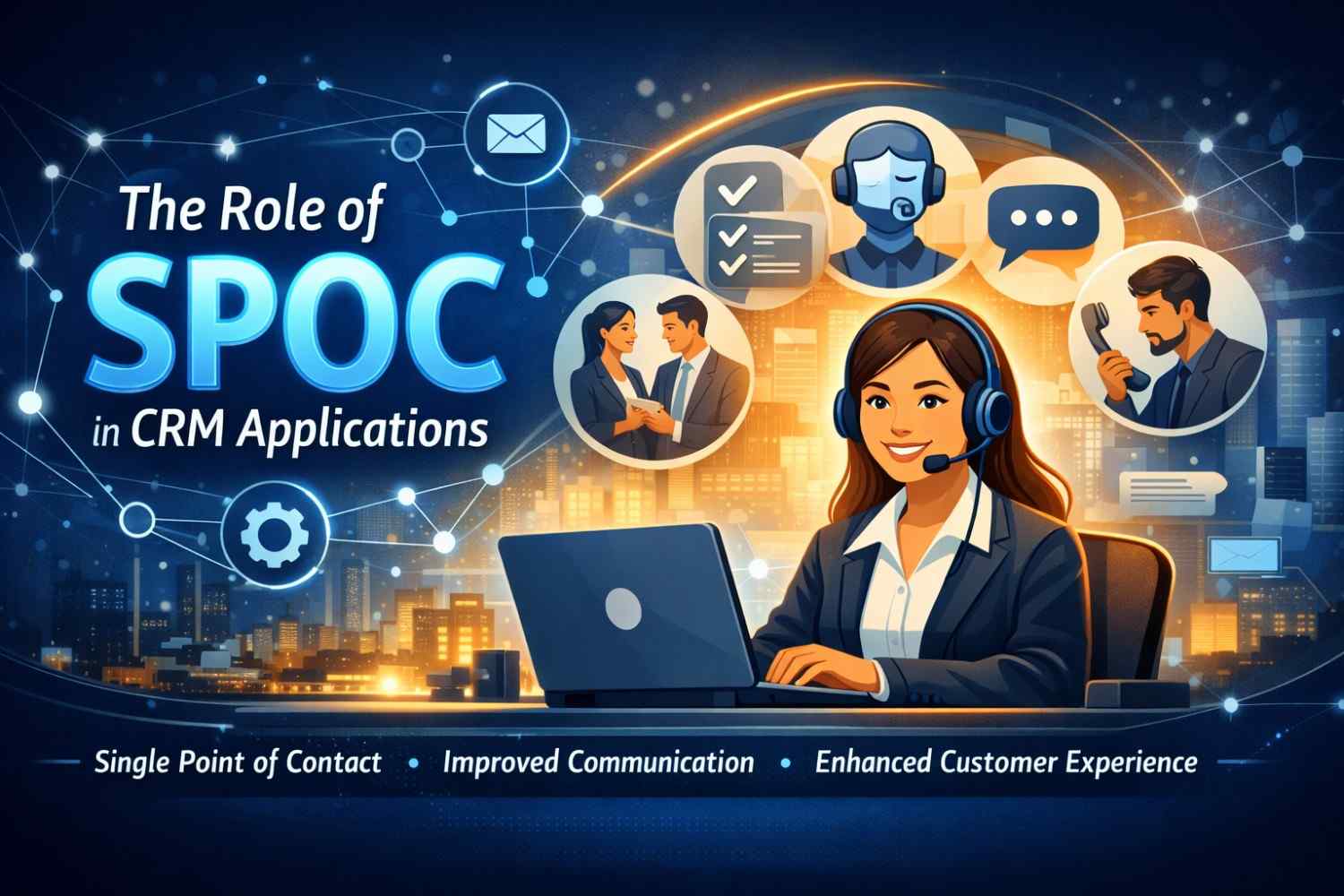
As businesses move toward establishing processes to drive competitive advantage, the way they manage customer relationships (CRM) is an area that requires attention. By providing a Single Point of Contact (SPOC) for all customer communication within an enterprise-wide CRM system, companies can streamline the flow of information between customers and businesses, decrease complexity, and improve customer satisfaction.
Simply put, the SPOC is the person or team designated as the sole source for overseeing and monitoring all communication between customers and the business.
When a business uses a well-defined SPOC approach with its CRM solution(s), the benefits include improved customer experience and enhanced ability to adequately support and satisfy customer needs. There are several primary benefits of a SPOC approach for Customer Relationship Management (CRM):
Creating a Single Point of Contact (SPOC) in your CRM system requires thoughtful planning and execution. Below are key steps that help guide the development and deployment of a SPOC strategy:
Clearly define the responsibilities of the SPOC to eliminate confusion and streamline communication between customers and internal departments.
Choose individuals or teams with excellent communication skills, dependability, and the ability to manage stress. Having the right staff is essential for an effective SPOC.
Although there are many advantages to implementing this approach, organizations may face challenges. Resolving these issues ensures smoother transitions and improved efficiency:
The future of CRM involves enhancing customer engagement and satisfaction, with SPOC playing a major role. As businesses evolve, AI and analytics will influence SPOC operations:
A. AI for Routine Requests: AI can automate routine inquiries, saving human resources for complex issue handling.
B. Data-Driven Insights: Analytics will help SPOCs better understand customer behavior and preferences.
C. Personalized Experience and Loyalty: Increased data collection will give SPOCs the tools to provide tailored experiences, boosting customer loyalty.
There are many advantages to implementing a Single Point of Contact strategy as part of a CRM system. The most significant advantage is the opportunity to build long-term relationships with customers. Organizations that centralize their customer interactions benefit from improved communication, increased customer satisfaction, and enhanced ability to achieve both organizational and customer-related goals.
In summary, adopting a SPOC strategy signals a company’s commitment to outstanding customer service. A SPOC strategy enables organizations of any size to meet or exceed customer expectations and create stronger brand loyalty.
