




KARTHIK MANI
Updated on
10-03-2026
Transformation to AI: Embrace the Future Now!
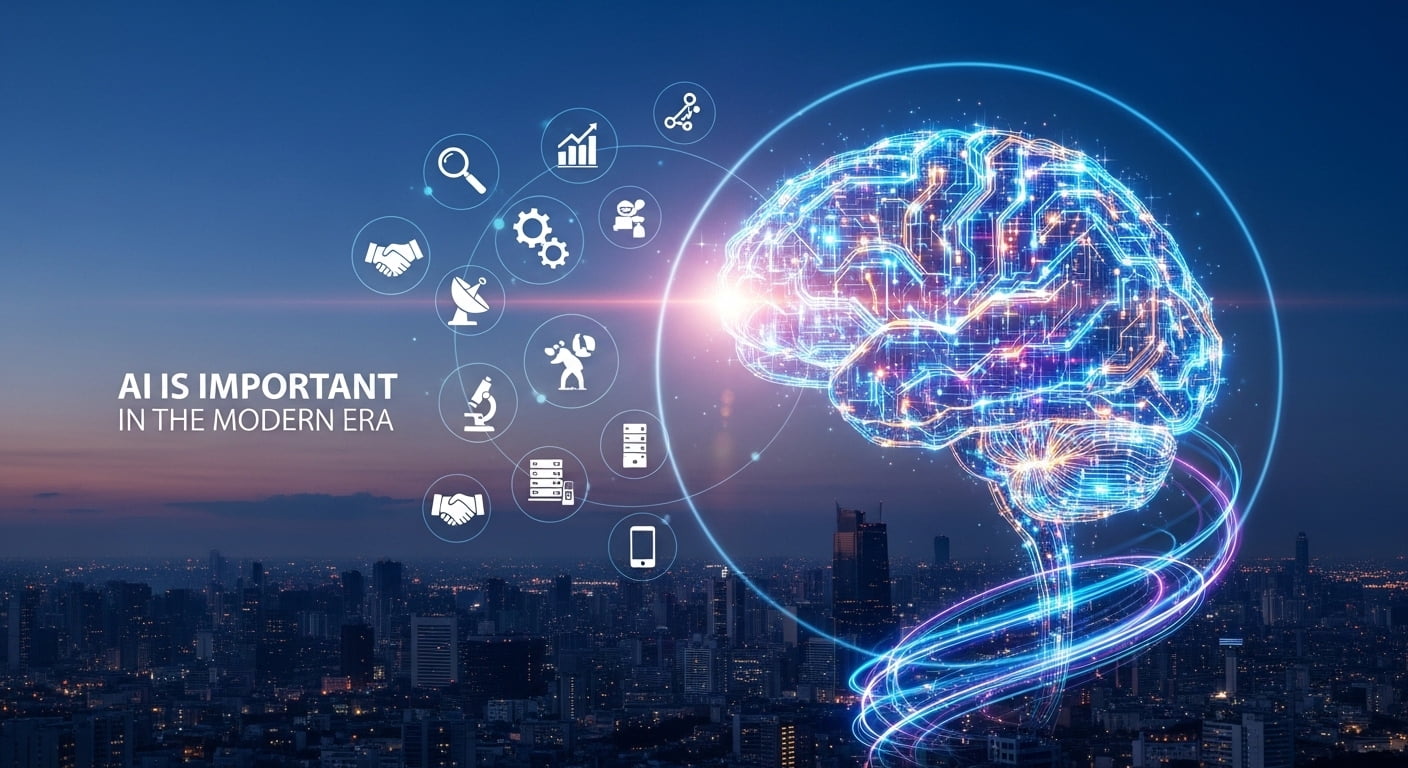
The transformation due to AI will not only be a shift in technology as it pertains to how business operates but also represents a complete evolution of each industry’s process of innovating. The embedding of AI (and all of its advantages) in every industry has resulted in significant gains in efficiency, productivity, and decision-making globally. This article discusses the significant impact of AI transformation on the economy, several trends driving the AI revolution and why companies must adopt AI to remain successful in the future.
Why Transformation to AI Matters
The impact of AI transformation goes beyond mere automation. It alters the core dynamics of industries and their value propositions by:
- Enhancing decision-making processes through data-driven insights.
- Improving customer experiences with personalized services.
- Optimizing operational efficiency and reducing costs.
- Unlocking new business models and revenue streams.
With these capabilities, AI stands poised as a pivotal force in reshaping the future landscape of business, technology, and daily life.
Key Components of AI Transformation
Successfully navigating the transformation to AI involves several critical components:
Data Utilization
Data is the backbone of AI. The ability to process vast amounts of information swiftly gives AI its power. Organizations must ensure they have robust data management systems to capitalize on this advantage.
Machine Learning and Deep Learning
These are subsets of AI that allow systems to learn from data patterns. Machine learning and deep learning are crucial for predictive analytics, enhancing performance and foreseeing potential challenges.
Natural Language Processing (NLP)
NLP enables machines to understand and respond to human language. It's particularly useful in customer service, allowing businesses to offer more sophisticated, automated support systems.
AI-driven Automation
Automation is one of AI's most lauded benefits. By automating routine tasks, companies can refocus their human resources on strategic challenges, increasing productivity.
Emerging Trends in AI Transformation
Staying ahead in the AI transformation race requires keeping up with rapidly evolving trends. Here are some key developments:
Edge AI
Edge AI brings computation and data storage closer to data sources, reducing latency and improving performance. This trend is especially significant in IoT applications, where speed is critical.
AI in Cybersecurity
AI is playing a significant role in cybersecurity, monitoring networks for threats more efficiently than human teams can. As cyber threats become more sophisticated, AI's ability to evolve will be crucial.
Explainable AI
As AI systems become more complex, the ability to understand their decision-making processes becomes essential. Explainable AI focuses on creating systems whose actions can be easily interpreted, crucial for maintaining trust.
AI and Sustainability
AI can significantly contribute to sustainability efforts, from optimizing resource use to improving energy efficiency. Businesses adopting AI solutions can enhance their sustainability profile, an increasingly important competitive differentiator.
The Business Case for AI Transformation
AI transformation represents not just an operational challenge but a strategic opportunity. Here’s why businesses must act now:
- Competitive Advantage: Early adopters of AI gain a significant edge over competitors by enhancing customer experiences and operational efficiency.
- Adaptability: AI-enabled businesses can better respond to market changes due to enhanced predictive capabilities.
- Innovation: AI is a catalyst for innovation, opening doors to new products, services, and markets.
- Cost Reduction: By automating repetitive tasks, AI reduces operational costs, increasing profitability.
Challenges in AI Transformation
While AI offers tremendous benefits, its transformation entails overcoming several challenges:
Ethical and Privacy Concerns
AI raises questions about privacy and data security. Companies must balance innovation with ethical standards to maintain consumer trust.
Skill Gaps
The advanced skill set needed to develop and manage AI solutions is in short supply. Businesses must invest in training and development to bridge this gap.
Integration Complexity
Integrating AI into existing systems can be complex, requiring careful planning and execution. This necessitates robust change management strategies.
Steps to Embrace AI Transformation
For organizations ready to embark on their AI journey, consider the following steps:
- Assessment: Evaluate current capabilities and identify areas where AI can deliver the most impact.
- Roadmap: Develop a clear AI strategy aligned with business objectives.
- Pilot Projects: Start with small-scale projects to test and learn, refining strategies before broader implementation.
- Partnerships: Collaborate with AI experts and solution providers to access the latest technologies and expertise.
- Continuous Learning: Foster a culture of continuous learning to keep teams abreast of AI developments and best practices.
Conclusion
The transformation to AI is a major disruption to the way industries and economies function, and by embracing it now, businesses have a tremendous opportunity for growth, innovation, and competitive advantage. However, to accomplish this, participants in the AI movement must have a strategic foresight, an adaptable mindset, and a commitment to responsible innovation; therefore, businesses that exhibit these values will thrive within the rapidly changing landscape of AI. In conclusion, the AI transformation promises to create a new way of doing business and an enhanced quality of life for all. The future is AI-based, so the time to transform is now.