




SIVAKRISHNAN V
Updated on
30-07-2026
E-Stamping Agreements, POA, LLP Agreements, and Partnership Deeds Explained
In today's digital era, managing legal documentation has become increasingly sophisticated yet accessible. For individuals and businesses alike, understanding the nuances of E-Stamping Agreements, Power of Attorney (POA), Limited Liability Partnership (LLP) Agreements, and Partnership Deeds is essential. Comprehending these terms not only aids in safeguarding assets but also streamlines legal undertakings by minimizing bureaucratic obstacles. This article sheds light on these essential legal concepts, focusing on their significance in modern business and personal transactions.
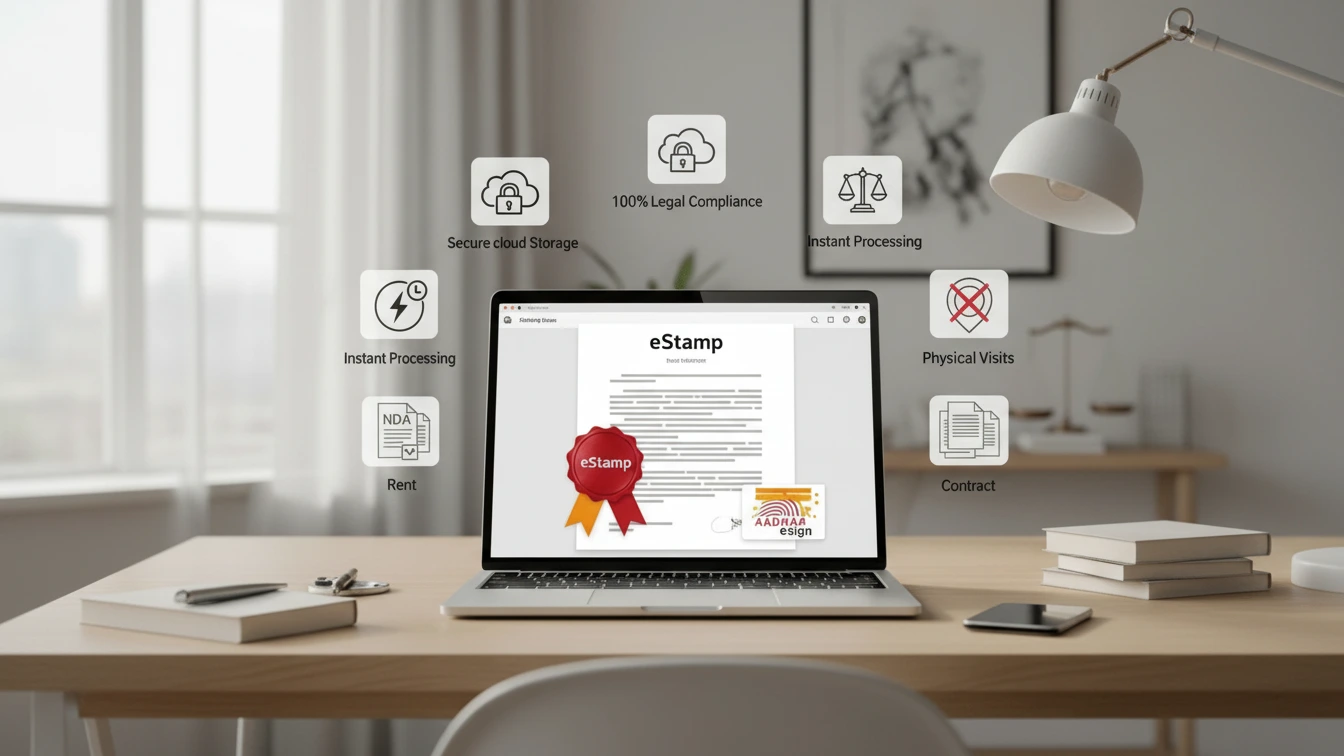
What is E-Stamping?
E-stamping is a convenient digital method for paying stamp duty, enabling the eradication of counterfeit stamp papers. Its introduction has effectively revolutionized the processing of legal documents, such as property papers, agreements, and financial instruments, by eliminating old-school paper-based stamping methods.
Understanding Power of Attorney (POA)
The Power of Attorney is a powerful legal tool allowing one person to act on another's behalf. It can be temporary or enduring, depending on the circumstances. Here are the types of POA:
- General POA: Grants broad powers to the agent.
- Special POA: Limits the agent to specific acts.
- Durable POA: Remains in effect even if the principal becomes incapacitated.
Using a Power of Attorney can be invaluable for managing personal affairs or business operations, ensuring that decisions can be carried out even when one is unable to personally attend to them. It's essential to choose a trusted agent to ensure your interests are protected.
LLP Agreements: A Modern Business Tool
Limited Liability Partnerships combine elements of a partnership with that of a corporation. They offer flexibility and limit the liability of partners. Key features of an LLP Agreement include:
- Clearly defined roles and responsibilities of partners.
- Protection from personal liability for business debts.
- Management flexibility while providing tax benefits similar to a partnership.
- Easy adaptation to ownership changes.
LLPs are ideal for professional services firms, like law and accounting practices, looking to mitigate risk while enjoying operational flexibility. Understanding and crafting a thorough LLP Agreement is crucial for safeguarding your business interests.
Partnership Deeds: The Backbone of Business Partnerships
A Partnership Deed is a written agreement between partners that outlines the terms of the partnership. Here's what a standard deed should include:
- Names and addresses of all partners.
- The contribution of each partner (monetary or otherwise).
- Profit and loss sharing ratios.
- Terms regarding the admission of new partners or the departure of existing ones.
- Dispute resolution mechanisms.
Drafting a comprehensive Partnership Deed helps prevent misunderstandings by clearly stating each partner's rights, responsibilities, and liabilities. It's an essential document for establishing clear expectations and fostering a cooperative business relationship.
The Importance of Keeping Up with Legal Developments
Legal frameworks governing E-Stamping Agreements, POA, LLP Agreements, and Partnership Deeds are continually evolving. Keeping abreast of these changes ensures compliance and enhances business continuity. Here are a few tips to stay informed:
- Regularly consult with a legal expert to review and update agreements.
- Subscribe to industry newsletters and alert services that focus on legal and business updates.
- Participate in seminars and webinars on legal advancements.
Conclusion
Business and estate planning professionals need the ability to comprehend e-stamped documents, powers of attorney, limited liability partnership (LLP) agreements and partnership deeds. Each of these instruments provides both a means to simplify the legal formality of conducting business or carrying out an estate plan; they also offer protection to personal and business interests. While these mechanisms can provide you with an efficient means of conducting business operations, they will also delineate responsibilities in conducting business and reduce legal risks from potential litigation. To fully benefit from these documents, you must remain current with applicable law, consult attorneys as needed, and prepare all documents with precision.