




SIVAKRISHNAN V
Updated on
30-07-2026
E-Stamping Agreements, POA, LLP Agreements, and Partnership: A Comprehensive Guide
Welcome to the definitive guide on E-Stamping Agreements, Power of Attorney (POA), LLP Agreements, and Partnership formation. In today's digitally connected world, understanding these legal processes is crucial for both businesses and individuals. This article explores how e-stamping is revolutionizing legal documentation and why knowing the intricacies of POA, LLP agreements, and partnerships is more important than ever.
Understanding E-Stamping Agreements
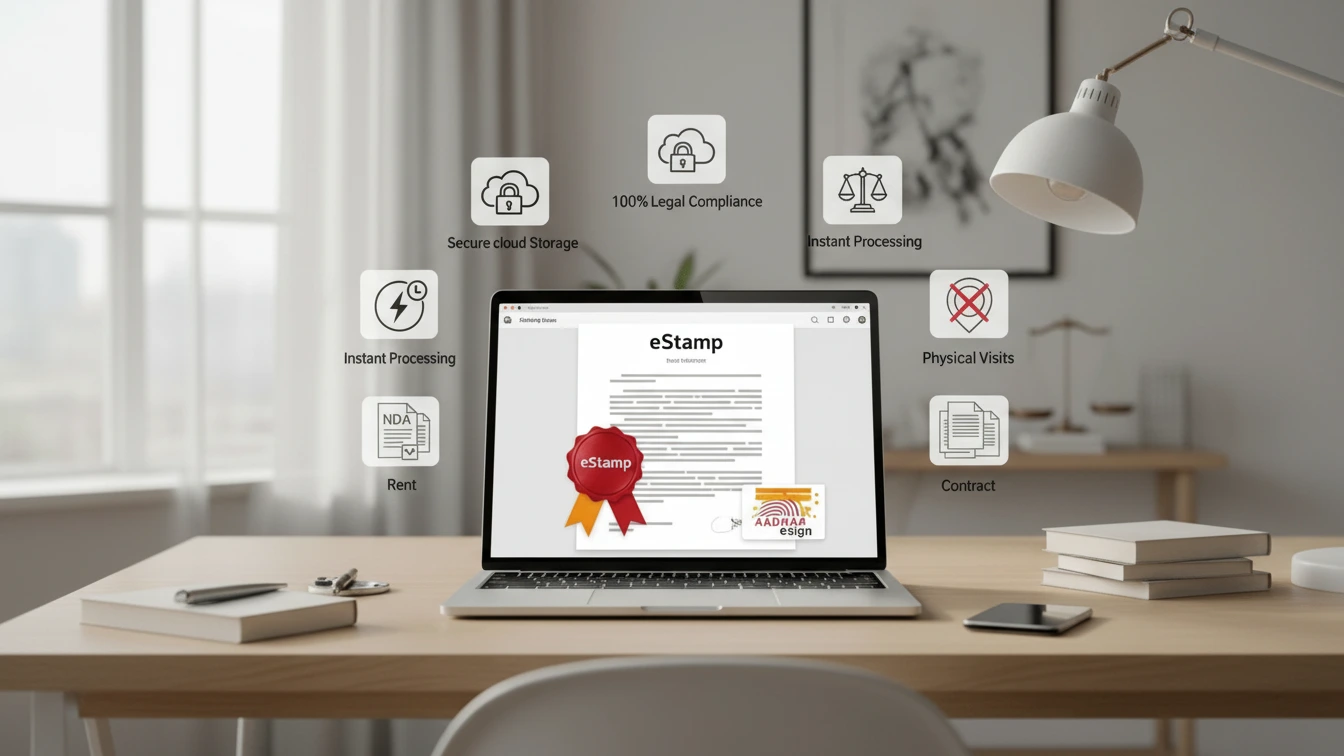
E-stamping is a digital revolution in the field of legal and financial documentation. It replaces traditional paper-based stamp duties with an electronic version, ensuring authenticity, greater security, and easier record-keeping. Here's what you need to know:
- Convenience and Accessibility: E-stamping allows for legal documents to be processed from anywhere, at any time. This eliminates the need to visit physical offices, making it especially beneficial during the ongoing digital transformation of businesses.
- Cost Efficiency: Digital processes reduce overhead costs associated with physical paperwork, including storage and handling.
- Enhanced Security: E-stamping provides a safer alternative to physical stamps, as each digital stamp has unique identifiers, making fraud more difficult.
- Instant Verification: Immediate verification of document authenticity is possible through digital systems, speeding up transaction times.
Diving into Power of Attorney (POA)
The Power of Attorney is a legal document granting authority to one person to act on behalf of another in legal or financial matters. It is essential for circumstances where the principal is unable to perform transactions personally. Key aspects include:
- Different Types: POA can be general or special, and there is also durable POA, which remains in effect even if the principal becomes incapacitated.
- Designations: The individual granted the POA is known as the "agent" or "attorney-in-fact."
- Scope of Authority: POAs can be tailored to convey as much or as little power as desired, from managing a specific account to overseeing all financial matters.
- Revocation: The principal can revoke a POA at any time, given they have the mental capacity to do so.
Exploring LLP Agreements
Limited Liability Partnerships (LLPs) are preferred by many businesses due to their hybrid nature, offering the partnership's operational flexibility with the company's liability protection. Here are critical points about LLP agreements:
- Limited Liability: Protects individual partners from personal liability for the debts of the company, securing personal assets.
- Flexibility in Management: Partners can decide how they wish to structure management without much regulatory interference.
- Tax Benefits: LLPs often benefit from pass-through taxation policies, avoiding the "double taxation" experienced by corporations.
- Forming an LLP: It requires registering with the appropriate legal entity in your jurisdiction and outlining the rights and responsibilities in an LLP agreement.
Crafting Effective Partnership Agreements
Partnerships are one of the oldest forms of business arrangements. Whether you're forming a small business or a large corporation, a robust partnership agreement is vital. Consider the following elements:
- Clear Objectives: Define the purpose and goals of the partnership to avoid potential disputes.
- Roles and Responsibilities: Clearly outline each partner’s contributions, decision-making powers, and responsibilities.
- Conflict Resolution: Set processes for resolving conflicts that may arise during the partnership’s lifecycle.
- Profit Sharing: Explicitly state how profits (and losses) will be divided among partners.
- Dissolution and Exit Strategies: Include terms on how the partnership can be dissolved or if a partner wishes to exit.
Conclusion: The Future of Legal Documentation
Technological advancements are coming along quickly and allowing the future of law to become more clear and appropriate for individuals and businesses alike. The use of e-stamped agreements, Powers of Attorney (POA), Limited Liability Partnership Agreements (LLP), and partnership agreements are all examples of how there are major changes happening with respect to the way complex legal and financial obligations are handled by everyone involved as a result of the technology explosion that we are currently experiencing. Regardless of your experience level with regards to your business, as well as whether or not you’re a business owner, a member of the legal profession, or have just entered into the business world through the use of legal agreements, you can use the knowledge regarding these processes and tools to make informed and empowered decisions and remain compliant with the law. Therefore, embrace the advancements that have been made in order to help you develop a strong foundation for your business ventures and/or personal endeavors. By understanding the intricacies of these types of agreements will allow for you to provide innovative, responsive, and secure ways to conduct current business practices all while maintaining transparency and legality. Ultimately, this will enhance the value of any business while reinforcing the strategic position of those involved in a competitive market.