




SWATHI S
Updated on
30-07-2026
Expense Data Security: Protecting Your Business’s Financial Soul
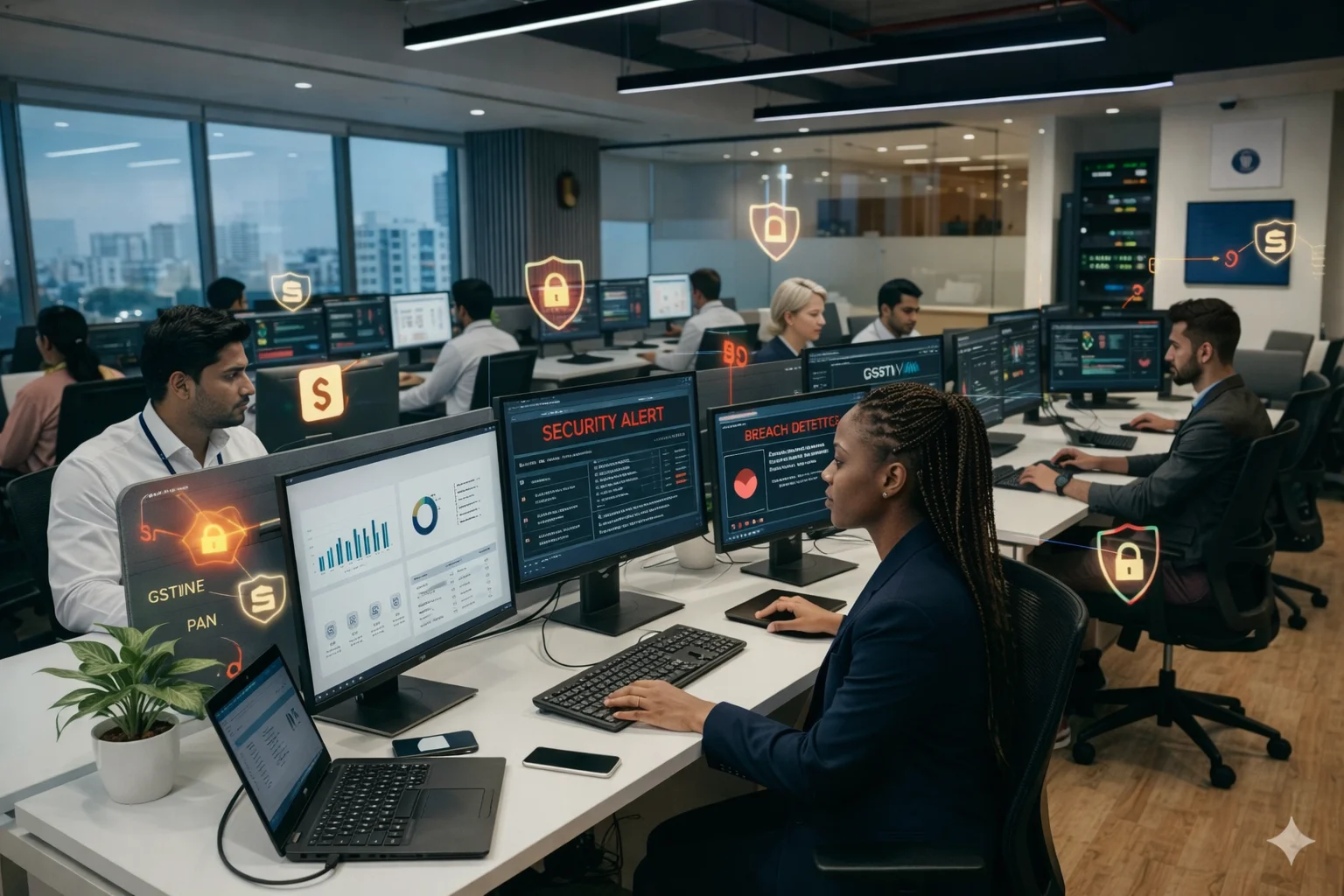
In the current digital world today, the success of your company could depend on how secure your financial records remain protected. Business owners often have trouble sleeping because they worry about what might happen if their financial information gets into the wrong hands. If someone were to gain access to your detailed expense records, it could be disastrous. The reality of Expense Data Security: Safeguarding Your Company's Financial Heart is something that every business must deal with.
Every receipt, invoice, or approval for payment contains a vast amount of sensitive data within it. These transactions contain elements such as GST (Goods & Services Tax) numbers, bank account numbers, information about employees and their expenses, and other vendor information related to transactions that take place. In addition to providing general operating data for your business, if your Expense Data is compromised it creates a detailed picture of how your company operates and what its financial position is.
Names of businesses and details about transactional activities may also appear in less obvious documents (e.g., café receipts). The probability for private information being exposed on personal electronic devices or by using public networks increases the risk of exposure; this combined with improper data storage (e.g., spreadsheets or a shared folder on an unsecured device) creates an additional risk. Often, these records are not regarded as high-value targets; however, malicious actors specifically go after them. In addition to minor errors (e.g., leaving your laptop unattended), there are many other systemic problems associated with insecure communication channels that put an individual at greater risk of losing sensitive information.
Common Pitfalls in Expense Data Management
The greatest problems arise from data being mismanaged: Spreadsheets and shared folders provide easy access to authorized employees and provide unauthorized access to anyone else. By forwarding information via email or messaging application, multiple copies of the same information may be sent to numerous different devices. Inadequate integration mechanisms between different software platforms can result in data leakage. The majority of data breaches occur because of human error and include: Weak passwords and bad password management practices. Failing to log out of sensitive systems. Accidentally clicking on phishing links.
The Cost of Data Breaches
The financial ramifications of a data compromise are severe. Businesses might face:
- Monetary losses from fraudulent transactions or reimbursements.
- Legal expenses, fines, and increased insurance premiums.
Beyond finances, breaches erode trust. Affected entities be it clients, employees, or vendors might lose confidence in your ability to safeguard sensitive information. Operations often stall as investigations commence, further detracting from focusing on core business growth.
Layered Protection Strategies
A robust, multi-layered security approach is essential:
- Encryption: Ensure data is encrypted both at rest and in transit. Use protocols like HTTPS for data movement.
- Access Controls: Implement role-based access, multi-factor authentication, and monitor for suspicious activities.
- Activity Logging: Maintain immutable logs for all access and changes, facilitating quick breach detection and resolution.
- Regular Audits: Continuously test systems, looking for potential vulnerabilities or weaknesses.
Regulatory Compliance
Compliance with regulations is non-negotiable:
- The DPDP act governs the handling of personal employee data, necessitating consent and quick breach reporting.
- GST guidelines require secure management of invoices, ensuring they are accessible yet protected for years.
- IT regulations mandate the implementation of secure practices and timely reporting of data breaches.
Platforms like LEDGERS incorporate these regulatory demands seamlessly, offering features such as data residency in India, heavy encryption, and zero-trust access models.
Choosing the Right Solutions
When evaluating potential providers or tools, consider:
- Data residency and encryption standards.
- Frequency and thoroughness of security testing.
- Employee access levels and integration safety.
- How compliance requests and breach alerts are processed.
Dispel myths that small businesses are overlooked by attackers; in reality, their relative lack of security makes them easier targets.
Building a Security-first Culture
Creating lasting change involves nurturing a culture of security:
- Regular, comprehensive training for employees on best practices.
- Establish easy channels for reporting security concerns.
- Frequent managerial reviews of access logs to ensure protocol adherence.
Quick-start Action Plan
Implement an immediate action plan to kickstart your security efforts:
- Day one: Map all locations where expense data is stored.
- Day two: Eliminate unnecessary access permissions.
- Day three: Evaluate current tools and systems.
- Day four: Revise security policies.
- Day five: Educate your team on new procedures.
- Day six: Establish secure workflows for data collection and sharing.
- Day seven: Conduct a review and plan for quarterly checks.
In conclusion, protecting your expense data is not simply an optional upgrade, but an essential step in risk management. The data you safeguard paints a comprehensive picture of your operations and finances, making it a prime target for exploitation. For small Indian businesses, breaches can result in financial damages amounting to crores, underscoring the necessity of robust protective measures.
Take advantage of systems like LEDGERS that prioritize data security, keeping it within Indian borders and ensuring compliance with rigorous standards. By doing so, you not only protect your business but also secure the trust and confidence of those you serve.
By understanding the intricate nature of expense data and how it can be both a boon and a burden, businesses can take active steps to shield themselves from the multitude of threats that exist today.