




HARI KRISHNAN S
Updated on
18-09-2026
Facial Recognition Attendance System: A Smarter Way to Track Time
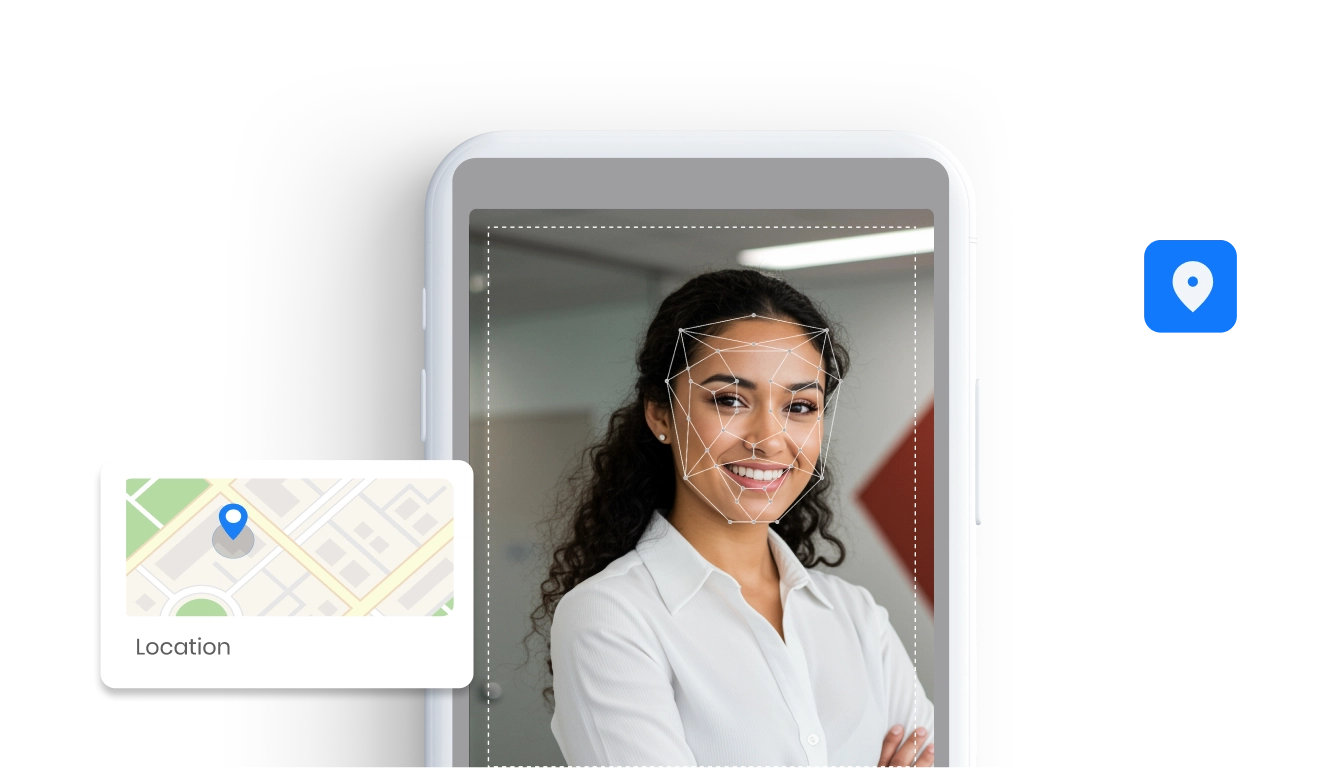
Facial Recognition Used for Attendance Faster tech pushes everything forward. Smarter work grabs attention these days. Firms now turn toward facial recognition attendance systems to automate employee attendance tracking and reduce manual check-ins. Once seen just on screens, like fiction stuff. It shapes daily office routines more than before. A face scan tracks who shows up. Watch how it reads features, matches them to a list. What happens when your expression changes? Machines learn patterns over time. Results shift based on lighting or angles. Some systems update instantly, others lag behind. Could errors grow silently? Each check takes seconds. Data flows into records automatically. People respond differently - some trust it, some hesitate. Not every tool adapts fast. Facial Recognition Attendance Systems Explained A smile, a glance - technology now tracks presence through facial details. Using cameras and smart software, identity gets confirmed without cards or codes. When someone shows up, the machine matches their face to stored images. Mistakes drop sharply since faking an appearance becomes nearly impossible. Security tightens when faces replace passwords or badges. Cheating dips because one person cannot stand in for another. Faces now mark the roll instead of names called out loud. Schools, even workplaces, are trying this shift slowly. A camera sees you, then checks who you are. The old clipboard with lists fades into background noise. This method skips sign-in sheets entirely. Some find it fast; others pause at privacy thoughts. Still, the system spreads step by step. What once felt like science fiction stands quietly in hallways. This is what happens. Simple enough to get. In this manner, it runs. User input gets taken by design. After that, the data moves through steps. Here is what happens when you stick to the guidelines already laid out. That's the way this setup runs. A snapshot forms when light hits a sensor behind glass. That moment freezes skin, eyes, nose - features shaped by time. What shows up on screen started with a glance into lens. Focus locks onto curves and shadows unique to one individual. A face comes into view, and the process begins. Eye spacing draws attention first, followed by the curve of the cheekbones. Jawline shape enters the analysis soon after. Details matter here - the gaps, angles, shadows. Each trait gets noted without rush. Precision guides every step taken. Recognition happens quietly, behind layers of logic. Features add up, one by one. Clarity grows with each measurement stored. Out of view, the photo turns into digits and equations - this is what makes up a facial template. A sort of coded outline, it traces the unique shape of someone’s features. That snapshot? Now reshaped into a one-of-a-kind pattern tied only to them. Next up comes the template, matched against a database to spot the person and log their presence. Matching happens here because the system compares data points to confirm identity. Attendance gets recorded once the match is made, allowing an attendance management system to maintain employee attendance records automatically. Identification relies on the template, while tracking who showed up depends on the database. Facial Recognition Attendance Systems Offer Speed Accuracy and Reduced Fraud Implementing a facial recognition attendance system offers several important advantages. Increase accuracy and reliability Folks relied on cards or sign-in sheets for ages. Those ways tend to slip up now and then - mistakes happen, folks take shortcuts too. Spotting faces shows who's really there. Cheating by sending someone else takes a hit. So does padding hours when nobody’s looking. Finding out who's present gets easier when faces do the talking. This approach works well since faking your presence becomes tough. Not showing up while pretending otherwise? Much harder now. Greater Efficiency Getting in without waiting feels better when machines handle check-ins. Staff move faster through entrances because the tech works swiftly. Managers spend less time on manual employee attendance tracking because check-ins are recorded automatically. Lines disappear during shift changes since entry gets recorded instantly. Right now, staff along with bosses get a chance to focus on different tasks. Because the system handles check-ins automatically, it helps each person involved. Enhanced Security Folks trust these setups because accidents drop when access stays tight. Getting in means proving who you are, nothing less. Places such as labs or server rooms rely on this - no exceptions. Safety isn’t guessed here; it’s built into every check. Challenges and Considerations Funny how a tool meant to help can sometimes cause trouble. This tech spots faces fast, yet mistakes happen more than expected. Not everyone feels safe when cameras watch and remember. Useful in emergencies, sure, though errors don’t feel fair when they hit close to home. Privacy Concerns Folks start thinking twice once machines begin saving personal details. Rules exist for a reason - firms must stick to them when handling sensitive info like fingerprints or face scans. Workers deserve honesty about who gathers their body-based identifiers, why it happens, and exactly where those records land after collection. Cost Implications Starting out often means big expenses right away. Equipment needs buying, then software must be paid for too. Running things takes cash on an ongoing basis. Some businesses believe cutting costs later makes the early spending okay. Spending big at the start? That is often how it goes when buying new tech - hardware, software, upkeep add up fast. Still, some businesses see a pattern: smoother operations later on tend to balance what was paid upfront. Technical Limitations Darkness or brightness might confuse things. Wearing hats or masks could also cause trouble. Sometimes, faces are partly hidden. This affects accuracy. Updates happen regularly because of such issues. Improvements come slowly over time. Future Trends and Developments Facing ahead, things seem promising for tools that track who's present using face scans. Improvements keep rolling in, thanks to steady progress in tech. Getting these setups running feels simpler now than before. Their precision climbs higher each step of the way. Constant effort fuels how well they perform over time. Integration with IoT Faces seen by devices linked online open doors automatically. When cameras spot someone familiar, lights turn on without touching a switch. Watching movements helps keep areas secure during work hours. Systems respond instantly because sensors talk to each other constantly. Recognizing people powers actions behind the scenes every day. AI and machine learning keep changing Things once tricky for machines might soon feel natural. Accuracy improves as these systems learn from more data. When light shifts or faces show emotion, responses get smarter. Appearance changes - like aging or makeup - won’t confuse them as much. Learning happens faster now, without needing full reprogramming. For more details, explore LEDGERS attendance management software or managing employee attendance and time tracking.