




ATCHAYA M
Updated on
30-07-2026
Building a Smooth Invoice Approval Workflow Before IRN Generation
Invoice creation can be a complicated process for many companies not just because of the number of different departments involved (sales, operations, finance, etc.), but also because of how each department contributes to an overall transaction. This collaborative nature of the business functions works well from a business operations standpoint but can lead to challenges when attempting to validate accuracy prior to issuing the Invoice Reference Number (IRN) related to that invoice.
Specifically, under e-Invoicing, once an invoice is registered and the IRN generated, no information in the core of the invoice can be modified after that point. Any deficiencies will require a series of additional actions, such as issuing credit or debit notes. Therefore, having a formal approval cycle prior to the creation of an IRN is very important.
Why Invoice Approval Before IRN Is Important
In traditional invoicing systems, errors could often be corrected after the invoice was issued. However, e-Invoicing has changed this approach. Since invoices are validated and recorded through the IRP, accuracy is required before submission.
Without a proper approval workflow, businesses may face:
- Incorrect invoice data being registered
- Repeated corrections through credit/debit notes
- Confusion during reconciliation
- Delays in compliance processes
An approval step ensures that invoices are reviewed properly before becoming part of official records.
Common Gaps in Invoice Approval Processes
Many businesses operate without a clearly defined approval system. This often leads to issues such as:
- Invoices being generated without review
- Missing or incorrect transaction details
- Lack of accountability
- Last-minute corrections
These gaps become more noticeable as the business grows and invoice volumes increase.
Defining Clear Roles and Responsibilities
A smooth workflow starts with defining who is responsible for each stage of the invoicing process. Typically:
- Sales or operations teams provide transaction details
- Billing teams prepare the invoice
- Finance teams review and approve before IRN generation
When roles are clearly defined, confusion is reduced and accountability improves.
Key Checks Before Approval
Before approving an invoice for IRN generation, certain basic checks should always be performed. These include:
- Verifying customer GSTIN and details
- Confirming invoice value and tax calculation
- Checking item or service classification
- Ensuring correct place of supply
- Validating invoice numbering
These checks help identify errors early and prevent rejection or correction later.
Avoiding Bottlenecks in Approval
While approvals are important, they should not slow down the invoicing process. One common problem businesses face is delays caused by too many approval layers or unclear communication.
To avoid bottlenecks:
- Keep the approval process simple and focused
- Assign clear decision-makers
- Avoid unnecessary multiple approvals
- Ensure quick communication between teams
The goal is to balance control with efficiency.
Using a Structured Workflow
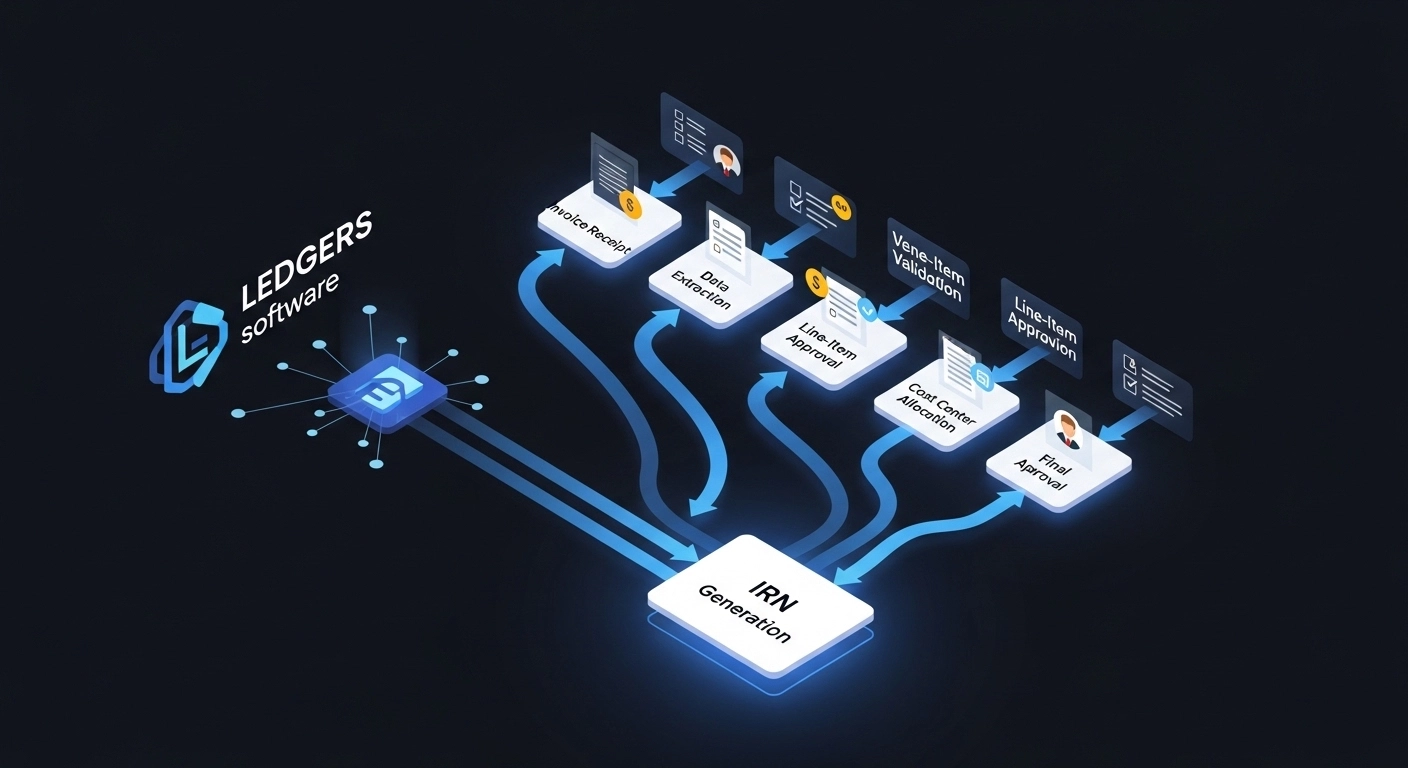
A structured workflow helps ensure that every invoice goes through the same process. This may include stages such as:
- Invoice draft creation
- Internal review
- Approval confirmation
- IRN generation
Having defined stages helps teams track progress and ensures that no step is skipped.
Handling Urgent Invoices
In real business scenarios, urgent invoices are sometimes required. These could be for immediate dispatch or customer requirements.
In such cases, businesses should still follow a minimal approval process rather than skipping it completely. Even a quick review can prevent major errors.
Improving Coordination Between Teams
A smooth approval workflow depends heavily on communication between teams. When information flows clearly between departments, approvals become faster and more accurate.
Regular coordination helps ensure that:
- Required details are available on time
- Errors are identified early
- Approvals are not delayed unnecessarily
Long-Term Benefits of a Strong Approval Workflow
Building a proper approval process may take some effort initially, but it offers long-term benefits such as:
- Reduced invoice errors
- Fewer corrections and adjustments
- Improved compliance accuracy
- Better audit readiness
Over time, this structured approach becomes part of normal business operations.
Conclusion
In e-Invoicing, accuracy before IRN generation is critical. Once an invoice is registered, making changes becomes more complicated. This is why having a smooth and efficient approval workflow is essential.
By defining clear roles, performing key checks, and maintaining a structured process, businesses can ensure that invoices are accurate before submission. A well-designed approval workflow not only reduces errors but also helps teams work more confidently and efficiently in a compliance-driven environment.