




SIVAKRISHNAN V
Updated on
30-07-2026
E-Stamping Agreements, POA, LLP Agreements, and Partnership Deeds Explained
In today’s fast-paced business environment, understanding the nuances of E-stamping agreements, POA, LLP agreements, and partnership deeds is crucial for entrepreneurs and professionals navigating legal landscapes. This comprehensive guide delves into these pivotal components of business law, unraveling their importance and the innovative trends reshaping them in the digital era.
What is E-Stamping?
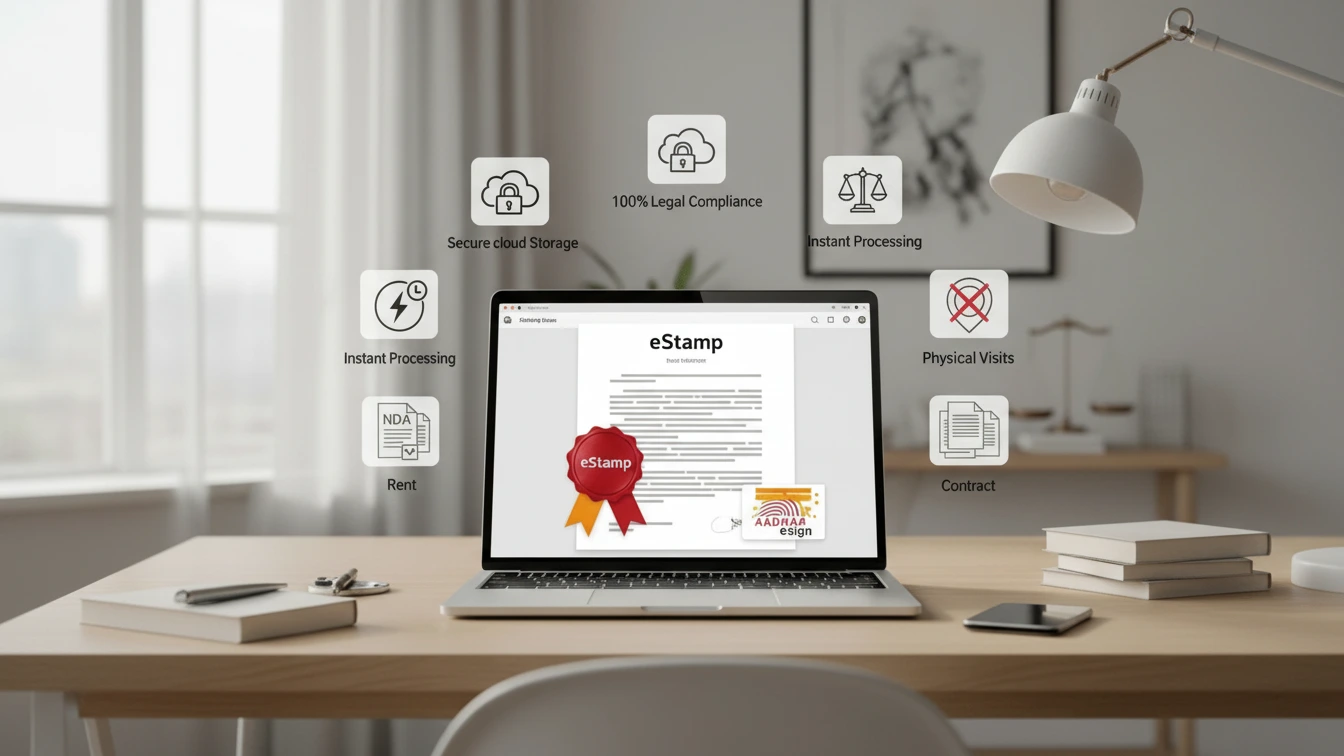
E-Stamping is a revolutionary method that enables users to pay stamp duty online, facilitating a more seamless and efficient process of validating documents. Here are key advantages of E-stamping:
- Convenience: Easily accessible from anywhere, reducing the need for physical presence.
- Security: Reduces the risk of forgery and tampering with documents.
- Efficiency: Enhances speed in document processing and reduces errors.
- Environment-Friendly: Reduces paper usage, aligning with sustainable business practices.
The relevance of E-stamping continues to grow as digitalization becomes entrenched in all sectors, streamlining the process for legal documentation.
Understanding Power of Attorney (POA)
A Power of Attorney (POA) is a legal document that authorizes an individual (the agent) to act on behalf of another person (the principal). POAs can vary based on the scope and duration of the powers granted:
- General POA: Grants broad powers to the agent in legal and financial matters.
- Special POA: Provides limited powers for specific tasks or a defined period.
- Durable POA: Maintains effectiveness even if the principal becomes incapacitated.
POAs are essential in situations where the principal cannot manage their own affairs, ensuring that their interests are protected and managed capably.
Decoding LLP Agreements
Limited Liability Partnerships (LLP) have gained popularity due to their blend of operational flexibility and limited liability protection. An LLP Agreement defines the roles, responsibilities, and income-sharing proportions among partners in a business:
- Structure: Clearly outlines decision-making processes within the firm.
- Protection: Shields partners from liability for others’ misconduct.
- Flexibility: Allows tax benefits and operational adaptability.
The LLP model is perfect for businesses seeking a balance between the benefits of partnerships and those of corporate firms. Adjustments to LLP agreements should reflect current business goals and legal requirements.
Insights into Partnership Deeds
A Partnership Deed is a legal document that states the rights and responsibilities of partners in a business endeavor. To form a cohesive and thriving partnership, a well-crafted deed is essential:
- Capital Contributions: Details initial investments made by each partner.
- Profit Sharing: Establishes how profits and losses will be divided.
- Roles and Compensation: Specifies duties and remuneration of each partner.
- Dispute Resolution: Sets forth procedures for resolving conflicts.
Having a clearly defined Partnership Deed safeguards against future disputes, nurturing a harmonious and productive partnership environment. Regular updates are imperative to align with evolving business dynamics.
Latest Trends Shaping Legal Documentation
The convergence of technology and legal processes is shaping new trends within legal documentation. Businesses and legal practitioners are increasingly adopting robust digital platforms and practices. Current developments include:
- Blockchain Implementation: Enhances transparency and security in storing legal documents.
- AI Utilization: Speeds up the drafting and reviewing processes for legal documents.
- Cloud Storage: Increases accessibility and collaboration capabilities for stakeholders.
- Remote Notarization: Facilitates the virtual notarization of documents with legal validity.
These trends signify an ongoing transformation within legal frameworks, prioritizing efficiency, accessibility, and improved security standards.
Conclusion
E-stamping agreements, POAs, LLP agreements, and partnership deeds are crucial pillars of the modern legal infrastructure, each serving its unique purpose while adapting to technological advancements. Understanding their functions and incorporating the latest trends can significantly streamline business operations, enhancing protection and efficiency. As digitalization permeates further into legal realms, ensuring accessibility, compliance, and security in legal transactions will remain paramount for sustained growth and development.
Incorporating E-Stamping, accurate setup of POAs, and well-structured LLP agreements and partnership deeds will propel businesses toward legal efficiency and operational success.