




HARI KRISHNAN S
Updated on
30-07-2026
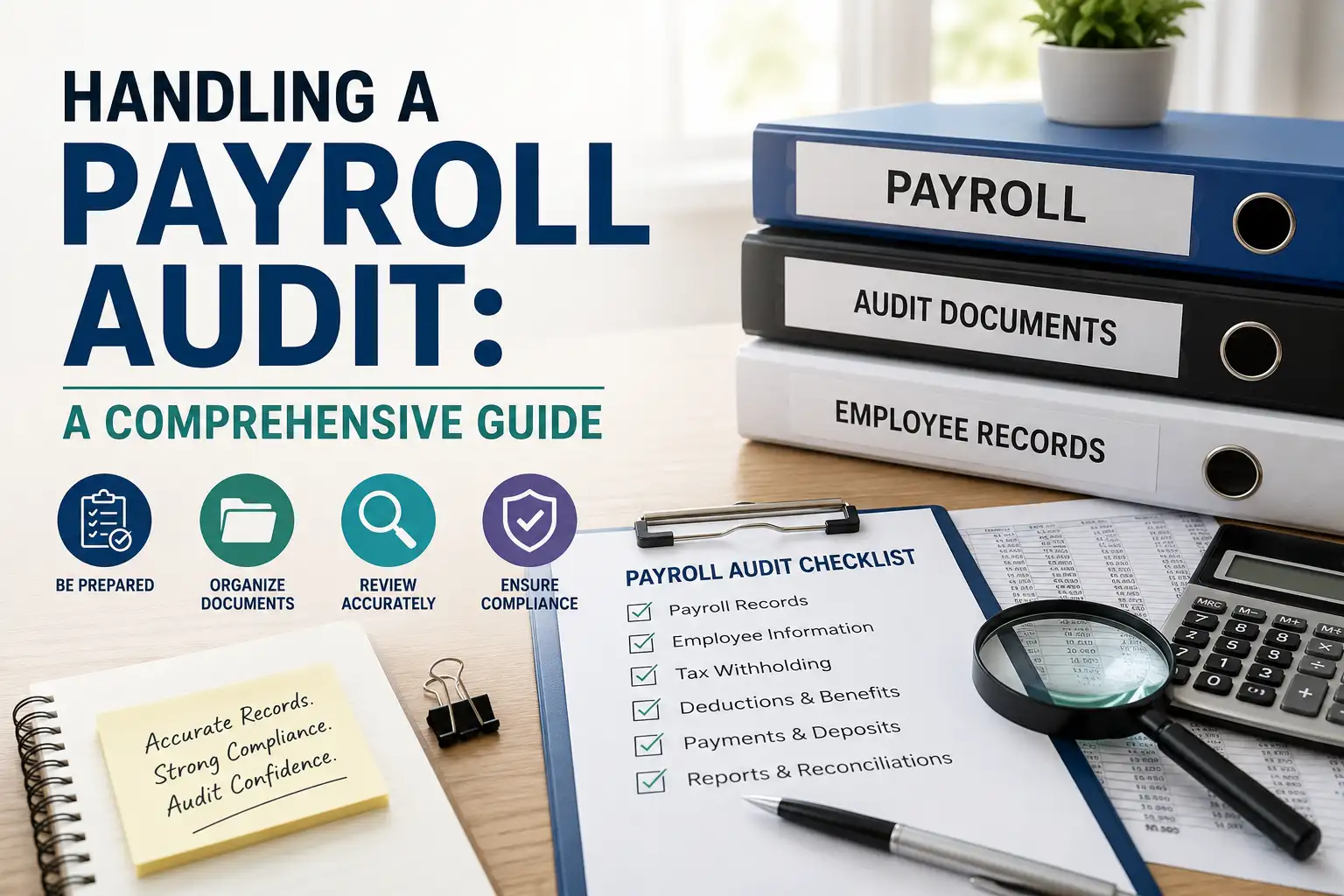
Handling a Payroll Audit: A Comprehensive Guide
I today's Rapid development business environment, To be certain the accuracy and compliance of payroll is the most significant factor. Navigating through a payroll audit But it may indicate difficult first, But with the right preparation And understanding, it becomes manageable and streamlined. Advantageous process. This comprehensive guide will guide you through handling a payroll audit, which direction many view Seam an ordeal I an opportunity to improvement and compliance.
Understanding Payroll Audits
Before diving into the intricacies of handling a payroll audit, it's crucial to understand what it entails. A payroll audit is a systematic review of your company’s payroll processes and records to ensure compliance with applicable laws and accuracy in payroll calculations. This process can be initiated internally as part of routine checks or externally by government agencies to verify compliance with labor regulations, tax obligations, and employee compensation laws.
Types of Payroll Audits
- Internal Audits: Conducted by the company to ensure internal controls and processes are correctly followed.
- External Audits: Conducted by external auditors to validate compliance with legal and regulatory standards.
Preparing for a Payroll Audit
Preparation is key when it comes to effectively handling a payroll audit. Here’s how you can set your business up for success:
1. Gather Necessary Documentation
Compile all essential documents, as these will form the basis of the audit's focus. These typically include:
- Employee payroll records
- Tax deposit records
- Timesheets for hourly employees
- Payroll tax returns
- Benefits and deductions documentation
2. Review Legislation and Compliance Issues
Stay updated on current payroll legislation and ensure your payroll system adheres to these laws. Regularly revise state, federal, and local payroll-related laws to prevent compliance issues.
3. Conduct a Pre-Audit
Before the official audit, conduct a pre-audit to identify and correct potential discrepancies. This proactive step can significantly reduce the stress and workload during the actual audit.
The Payroll Audit Process
Understanding the steps involved in a payroll audit can demystify the process and highlight areas of focus.
1. Initial Meeting and Scope Definition
The audit begins with an introductory meeting where the auditor defines the scope, including the specific areas to be reviewed and the timeline. This is a good time to clarify any questions or concerns.
2. Documentation Review
The auditor will assess your provided documents for completeness and accuracy. Ensure all data aligns seamlessly with the records presented and complies with regulations.
3. Detailed Testing and Procedures
This phase involves meticulous testing of transactions and processes to detect inaccuracies or inconsistencies. Be prepared to provide additional information or clarifications as needed.
4. Reporting and Feedback
Once the audit concludes, the auditor will present findings and possibly recommendations for improvement. Utilize this feedback to enhance your payroll processes and address any flagged concerns.
Post-Audit Actions
Post-audit is a critical time for taking the auditor's feedback and transforming it into actionable improvements.
1. Implement Recommendations
Promptly address any recommendations or errors highlighted in the audit. Adjust procedures or systems as needed to prevent future issues.
2. Ongoing Compliance Monitoring
Maintaining compliance should be an ongoing effort rather than a one-time action. Regular audits, whether internal or external, can help ensure continued adherence to standards.
3. Employee Training and Awareness
Educate your payroll team and relevant staff on compliance standards and best practices to cultivate an informed workforce ready to maintain accurate records proactively.
Key Takeaways
Handling a payroll audit requires preparation, knowledge, and responsiveness. By understanding the audit process, preparing adequately, and implementing recommendations, businesses can not only navigate audits effectively but also enhance their overall payroll reliability and compliance.
Payroll audits, when approached correctly, can significantly bolster your business’s financial health and legal standing. Consider these processes an integral part of your financial management strategy, laying the groundwork for a robust, compliant, and transparent payroll system.
Conclusion
With the guidance I gave this comprehensive article, Handle a payroll audit can change from a source of anxiety I a pathway against administrative excellence. By accepting revisions as opportunities for growth, ensure stringent internal controls, And upbringing a culture of compliance, Your business can navigate. These challenges with confidence and ease. Remember, effective handling of a payroll audit Just doesn't protect against potential penalties And rather causes problems. Trust and credibility with employees and regulatory bodies alike. To adopt these practices Takes care of your business Always audit- ready, streamlined. The way To continue success and sustainability.