




DHIBAGARAN
Updated on
30-07-2026
How to File GST Return Online: Step-by-Step Guide
Filing your GST return online can be a daunting task, especially if you're unfamiliar with the process. However, with the right guidance, you can easily navigate the digital filing system and ensure compliance with the tax requirements in no time. In this guide, we will walk you through every step of the process, making sure you have all the necessary information at your fingertips.
Understanding GST and Its Importance
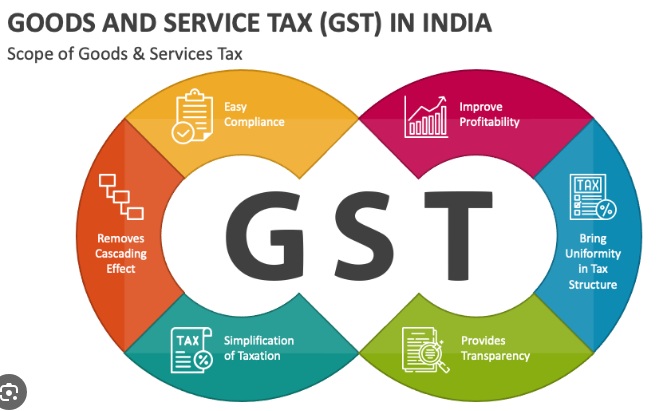
Before delving into the process of filing GST returns online, it's critical to understand what GST is and why it's important. GST, or Goods and Services Tax, is a comprehensive, multi-stage, destination-based tax that is levied on every value addition. It is crucial for businesses, as it helps streamline the taxation process by amalgamating various taxes into a single tax system.
Filing GST returns is mandatory for businesses registered under GST. Regular filing ensures transparency and compliance with government regulations, avoiding penalties and promoting smooth business operations.
Preparing to File GST Return Online
Preparation is key to ensuring a seamless filing process. Here's what you need before you begin filing your GST return online:
- GSTIN: Ensure you have your GST Identification Number ready.
- Business Summary: Keep a detailed summary of sales and purchases during the tax period.
- Tax Amount Details: Have a clear record of the total tax collected and paid.
- Access to the GST Portal: Make sure you've registered and have your login credentials for the GST portal (www.gst.gov.in).
Step-by-Step Guide to Filing GST Return Online
Step 1: Access the GST Portal
To begin, visit the official GST portal and log into your account using your username and password. If you haven't registered your business yet, you'll need to complete this step before proceeding.
Step 2: Navigate to the GST Return Filing Section
Once logged in, look for the "Services" tab at the top of the page. Hover over it and select "Returns" from the dropdown menu. You'll then see the option to "File Returns"; click on it to proceed.
Step 3: Select the Applicable Return
The GST portal provides various types of returns based on the nature of business activities. Select the appropriate return form applicable to your business (e.g., GSTR-1, GSTR-3B, etc.). Make sure you select the return for the correct financial period.
Step 4: Enter the Required Details
Enter the necessary information, including sales and purchase figures, tax collected, and input tax credit. The portal might automatically fill some sections, but you must verify for accuracy:
- Outward Supplies: Document all outward supplies made.
- Inward Supplies: Provide details of purchases and any input tax credit availed.
- Tax Liability Details: Enter details of tax liability and any adjustments if applicable.
Step 5: Validate and Upload Data
Post-verification of entered details, you need to validate and upload your data. The portal will automatically calculate the payable tax based on your input data.
Step 6: Submit and Pay Tax (if required)
After validation, submit your GST return. A summary page will appear. Review it carefully for any discrepancies. Once satisfied, proceed to pay the necessary tax, if applicable. The portal offers electronic payment options for your convenience.
Step 7: File the Return
After payment, finalize the filing process by clicking on File GST Return using either an EVC (Electronic Verification Code) or a digital signature certificate.
Common Mistakes to Avoid When Filing GST Return Online
Here are some pitfalls to look out for when filing your GST return:
- Incorrect GSTIN: Double-check your GSTIN for any errors to prevent rejection.
- Human Errors in Data Entry: Carefully review entered details to avoid errors in sales, purchases, and tax figures.
- Missed Deadlines: Mark your calendar to avoid interest or penalties for late filing.
Updates and Changes in GST Filing
The GST filing process is subject to periodic updates and changes. Staying informed about these can ensure accuracy and compliance. Visit the GST portal news section regularly to keep up with the latest developments.
Conclusion
Assuming that you have the appropriate knowledge and material to file your GST return online, the process is easy to manage once you have completed each step accordingly. By performing each step correctly, you can ensure that your business complies with GST, therefore avoiding penalties while contributing to the success of your business. You should file GST returns regularly, just to guarantee that you are fulfilling a legal obligation and instilling confidence with your clients and stakeholders. If you stay well-informed and maintain your attention to detail, you will make the process as simple as possible, leaving you free to focus on what you do differently, which is growing your business!
LEDGERS simplifies GST compliance by embedding reconciliation directly into the accounting workflow, helping businesses identify mismatches early and address them before they lead to interest or penalties. With automated GSTN data synchronization, invoice-level tracking, and system-driven validations, LEDGERS enables seamless, reliable compliance without last-minute corrections or manual follow-ups.