




ATCHAYA M
Updated on
30-07-2026
Preparing Your Business for the Next Phase of Digital GST Compliance
The GST compliance landscape in India has seen significant changes over recent years — moving towards an increasingly structured and technology-enabled environment. Due to the rollout of e-Invoicing, automated validations and increased system integration, organizations have experienced the beginning of their transition from manual compliance to digital processes. Although a great deal of positive change has occurred in relation to GST, the full transformation that this will create for the way businesses comply with GST has yet to be achieved.
The GST ecosystem continues to evolve, and businesses should expect to see continual advances in relation to automation, data integration and compliance monitoring. Therefore, preparing in advance for the next phase of digital GST compliance is no longer just an option — it is now a critical component of running an effective, efficient and compliant business.
Transitioning From Periodic Compliance to Continuous Compliance
Historically organizations would have engaged in periodic compliance with GST and would have gathered the data they needed to comply, at the end of each month, and prepared their return and submitted it by the deadline — each month, without exception. Since the introduction of e-Invoicing and the validation of invoice data at or close to the point of sale, the gap between an organization’s day-to-day operations and its GST compliance has become smaller. This trend will continue as more business processes become real-time (or near real-time) compliant with GST.
Organizations who continue to rely on end-of-month corrections to their compliance will need to quickly adapt to this change if they want to be successful in complying with GST.
Increasing Importance of Accurate Data
As GST systems become more interconnected, the importance of clean and accurate data increases. Every invoice, tax entry, and transaction detail contributes to overall compliance.
Errors that were once manageable through adjustments may now lead to immediate validation failures or reconciliation issues. This means businesses must focus more on getting data right at the source rather than correcting it later.
Maintaining accurate customer details, tax classifications, and invoice values is becoming a fundamental requirement.
Greater Integration Between Systems
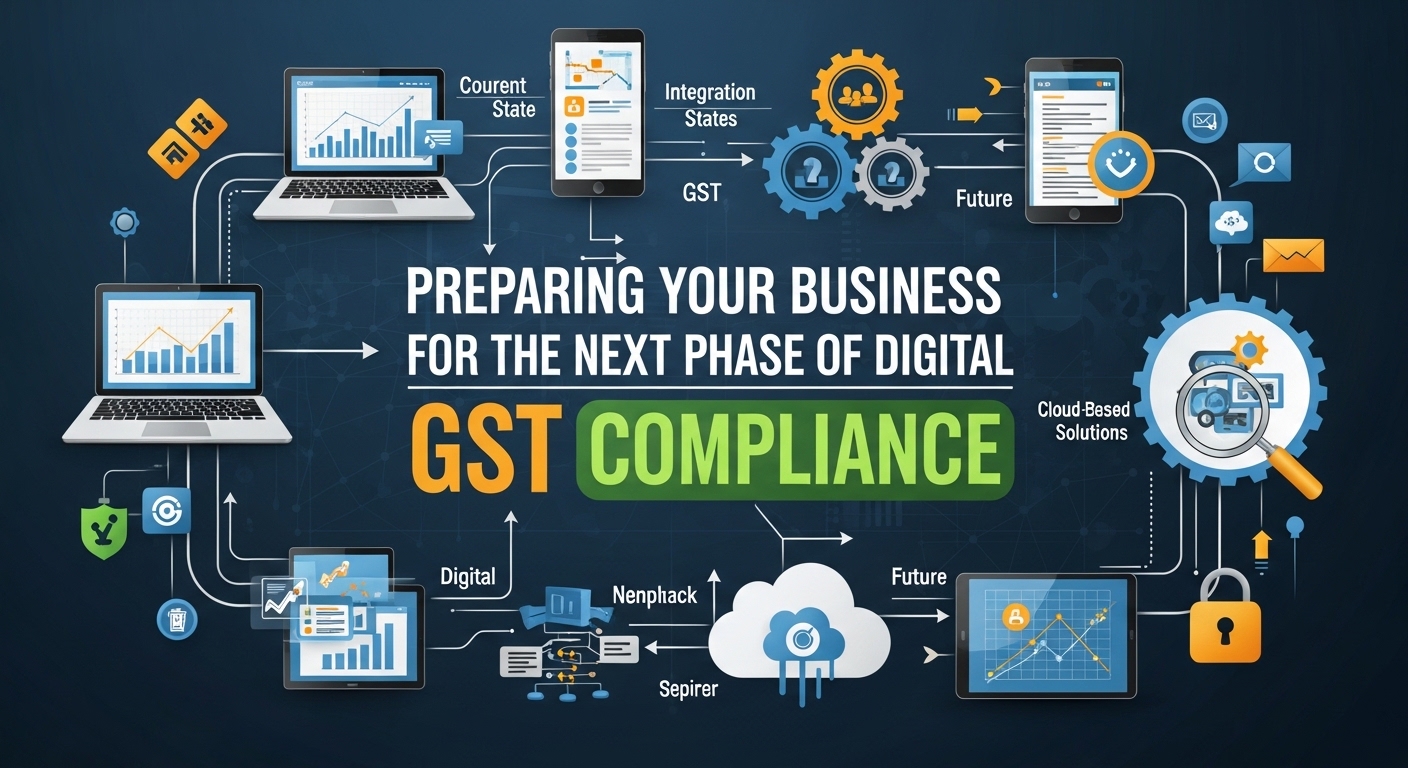
The next phase of GST compliance will likely involve deeper integration between different systems such as:
- Accounting software
- e-Invoicing platforms
- GST return filing systems
- Logistics and e-Waybill systems
Instead of operating separately, these systems are expected to work together more closely. Data entered once should ideally flow across all compliance processes without duplication.
Businesses that continue to operate with disconnected systems may face challenges in maintaining consistency and efficiency.
Reduced Tolerance for Inconsistencies
As digital compliance becomes more advanced, there is less room for inconsistencies in reporting. Automated systems can easily identify mismatches between invoices, returns, and other compliance records.
This means businesses must adopt more disciplined processes. Small errors that were previously overlooked may now trigger validation issues or require immediate correction.
A proactive approach to compliance helps reduce the risk of such problems.
Need for Process Standardization
One of the key steps in preparing for future compliance is standardizing internal processes. Businesses should aim to:
- Follow consistent invoice formats
- Maintain proper documentation
- Use structured workflows for billing and reporting
- Ensure uniform practices across teams
Standardization reduces confusion and makes it easier to adapt to regulatory changes.
Training and Awareness Within Teams
Technology alone cannot ensure compliance. Employees who handle invoicing, accounting, and reporting must understand how GST processes work.
Regular training and awareness help teams:
- Avoid common mistakes
- Follow correct procedures
- Adapt to new compliance requirements
When teams are confident in their processes, businesses can operate more smoothly even during regulatory changes.
Building a Future-Ready Compliance Approach
Preparing for the next phase of GST compliance is not about reacting to changes at the last minute. It is about building systems and processes that can adapt over time.
Businesses should focus on:
- Maintaining clean and consistent data
- Using structured invoicing practices
- Ensuring system integration
- Monitoring compliance regularly
This approach helps businesses stay prepared for both current and future requirements.
Long-Term Benefits of Digital Readiness
Although adapting to digital compliance may require effort initially, it offers long-term advantages. Businesses that embrace structured processes often experience:
- Improved operational efficiency
- Faster compliance cycles
- Better financial visibility
- Reduced risk of errors
Over time, compliance becomes part of regular operations rather than a separate burden.
Conclusion
GST compliance in India is moving toward a more digital, integrated, and real-time system. Businesses that prepare early for this transition will find it easier to adapt to future changes.
By focusing on accurate data, standardized processes, and system integration, organizations can build a strong foundation for digital compliance. Preparing today not only ensures smoother operations but also helps businesses stay confident and compliant in an evolving regulatory environment.